Pyrolysis vs. Gasification
Pyrolysis operates at 400-700°C with no oxygen, producing primarily oil, char, and gas; gasification operates at higher temperatures (700-1200°C) with controlled partial oxygen or steam, converting nearly all organic material into syngas (CO + H2).
Both pyrolysis and gasification are thermochemical conversion technologies, but they optimize for different products. Understanding the trade-offs is essential for selecting the right technology for your project.
| Parameter | Pyrolysis | Gasification |
|---|---|---|
| Temperature | 400-700°C | 700-1200°C |
| Oxygen | None (inert atmosphere) | Partial (sub-stoichiometric) |
| Primary Product | Liquid (oil) + Solid (char) | Gas (syngas) |
| Gas Yield | 15-30% | 70-85% |
| Liquid Yield | 30-75% | 5-15% (tars) |
| Solid Yield | 10-40% (biochar/rCB) | 2-10% (ash) |
| Best For | Oil production, biochar, carbon credits | Power generation, hydrogen, synfuels |
| CAPEX | Lower | Higher |
Complementary Technologies
In practice, pyrolysis and gasification are complementary, not competing technologies. Some advanced systems combine both stages — using pyrolysis to produce biochar and oil, then gasifying the remaining char for syngas and heat. APChemi designs integrated systems that maximize value from both pathways.
Talk to APChemi
Not sure whether pyrolysis or gasification suits your project better? APChemi evaluates both options and recommends the optimal technology for your feedstock and market.
49+ projects12+ patentsISCC PLUS certified
Biomass Gasification at a Glance
- Operating Temperature
- 700-1200°C
- Syngas Yield
- 70-85%
- Syngas Energy Content
- 4-6 MJ/m³
- Electrical Efficiency
- 25-35%
How Gasification Works
Gasification is a thermochemical process that converts carbonaceous materials into syngas through four overlapping stages. Unlike combustion (which burns material completely with excess air), gasification uses limited oxygen to partially oxidize the feedstock — producing a combustible gas rather than heat and ash.
- 1
Drying Zone 100-200°C
Moisture evaporates from the feedstock. Biomass should be pre-dried to <20% moisture for optimal gasification efficiency. Higher moisture content reduces syngas quality and process temperature.
- 2
Pyrolysis Zone 200-700°C
Volatile matter is released from the dried biomass, producing char, tar, and light gases — similar to the standalone pyrolysis process. This zone decomposes complex organic molecules into simpler compounds.
- 3
Combustion Zone 700-1000°C
A controlled amount of oxygen (typically 25-30% of what would be needed for full combustion) reacts with char and volatiles, generating the heat that drives the entire process. This exothermic zone sustains the gasification reaction.
- 4
Reduction Zone 800-1200°C
Hot char reacts with CO₂ and steam to produce CO and H₂ — the main components of syngas. This endothermic zone is where the primary gasification reactions (Boudouard, water-gas, methanation) occur.
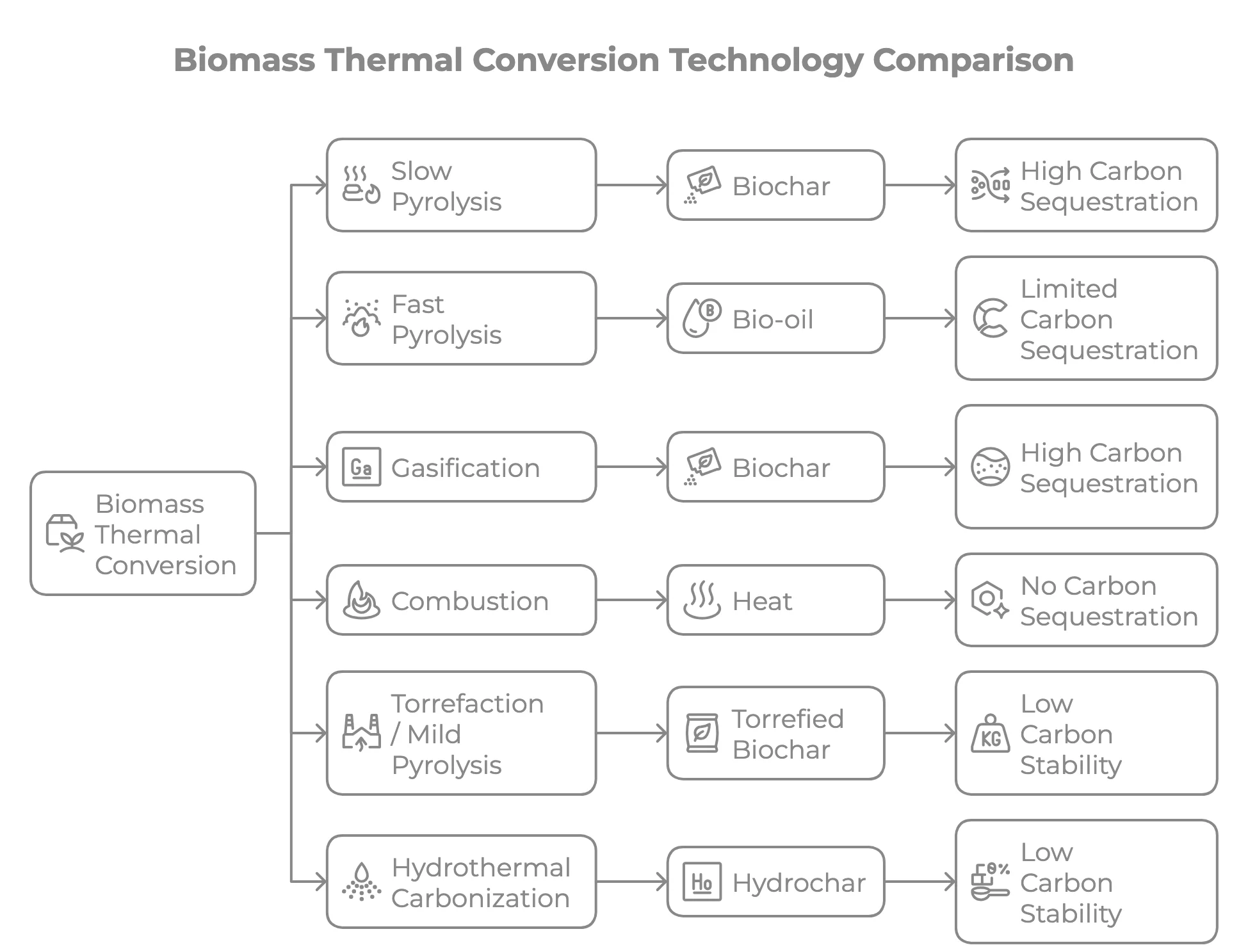
Gasifier Types
Three main gasifier designs are used commercially, each with distinct advantages depending on scale, feedstock, and end-use requirements.
Downdraft
- Low tar content (<1 g/Nm³)
- Clean syngas for engines
- Simple, proven design
- Scale: 10 kW - 1 MW
- Requires uniform feedstock
Updraft
- High thermal efficiency (90%+)
- Tolerates wet feedstock (<50%)
- Simplest construction
- Scale: 1 - 10 MW
- High tar (~50 g/Nm³)
Fluidized Bed
- Large scale (10-100+ MW)
- Handles diverse feedstocks
- Excellent heat/mass transfer
- Moderate tar (5-15 g/Nm³)
- Higher CAPEX & complexity
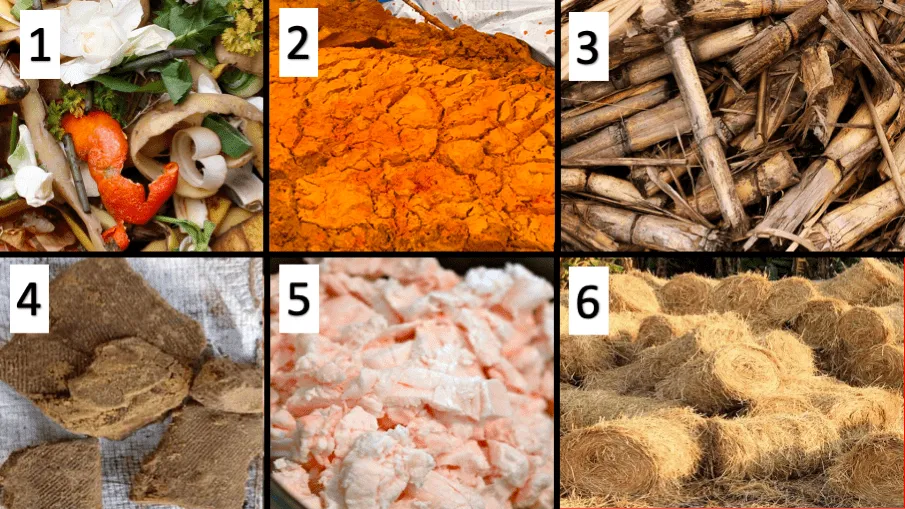
Feedstock for Gasification
Gasification can process a wide range of carbonaceous feedstocks, though optimal performance depends on matching the gasifier type to the feedstock characteristics.
Wood & Wood Waste
Chips, sawdust, bark, forestry residues. Ideal feedstock — consistent properties, low ash, well-characterized gasification behavior.
Agricultural Residues
Rice husk, coconut shell, sugarcane bagasse, corn stover, wheat straw. Higher ash and variable moisture require feedstock-specific gasifier tuning.
MSW / RDF
Municipal solid waste and refuse-derived fuel. Requires pre-processing (sorting, shredding) and typically uses fluidized bed gasifiers for heterogeneous feedstock.
Energy Crops
Miscanthus, switchgrass, short-rotation coppice (willow, poplar). Purpose-grown biomass with predictable properties for consistent gasification performance.
Coal & Petcoke
Traditional gasification feedstocks. Biomass co-gasification with coal enables gradual decarbonization of existing coal-gasification infrastructure.
Sewage Sludge
Dried sewage sludge from wastewater treatment. Gasification provides energy recovery while reducing sludge volume by >90% and destroying pathogens.
Feedstock Pre-Processing Requirements
All gasification feedstocks require pre-processing to meet reactor specifications. Key parameters include moisture content (<20%), particle size (typically 10-100mm depending on gasifier type), and contaminant removal (metals, glass, plastics from MSW). APChemi's R&D facility can characterize any feedstock and determine optimal pre-processing requirements.
Syngas Applications
Syngas is one of the most versatile energy carriers, enabling multiple downstream pathways from the same gasification output.
Power Generation (CHP)
Syngas fires gas engines, gas turbines, or combined heat and power (CHP) systems. A typical biomass gasification CHP plant converts:
- 25-35% of feedstock energy to electricity
- 40-50% to useful heat
- Overall 75-85% energy efficiency
Hydrogen Production
Syngas is hydrogen-rich. Through the water-gas shift reaction and pressure swing adsorption, hydrogen is extracted for:
- Fuel cell applications
- Ammonia production (fertilizers)
- Industrial hydrogenation processes
Fischer-Tropsch Fuels
Syngas converts to liquid hydrocarbons via Fischer-Tropsch synthesis, producing carbon-neutral drop-in fuels:
- Synthetic diesel (renewable diesel)
- Sustainable aviation fuel (SAF)
- Synthetic waxes and chemicals
Industrial Heat
Direct syngas combustion provides clean, controllable heat for industrial processes — replacing fossil fuels:
- Kilns, furnaces, and dryers
- Steam generation for process heat
- Coal/gas replacement in heavy industry
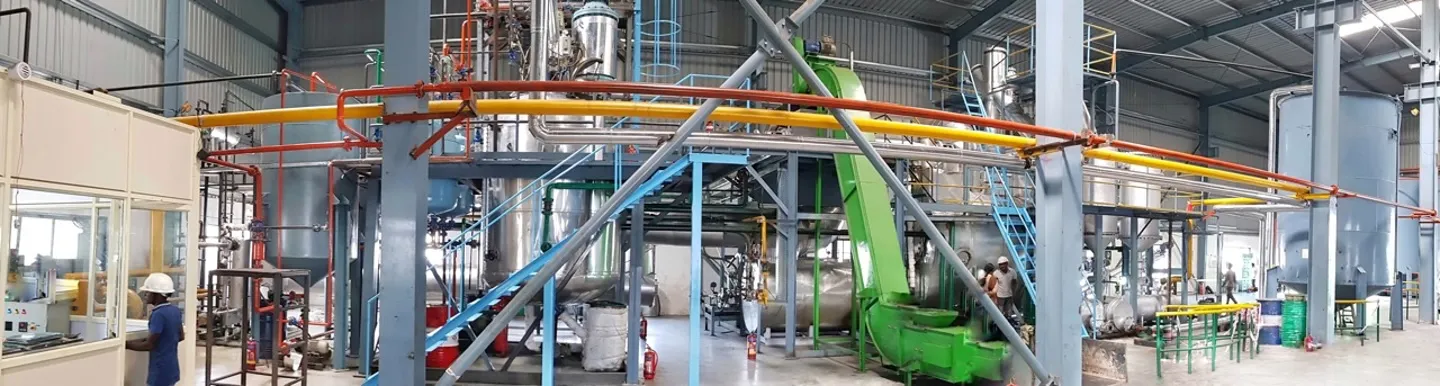
Gasification for Industrial Decarbonization
Biomass gasification plays a critical role in decarbonizing heavy industry by replacing fossil fuels with biomass-derived syngas and biocoal.
Biocoal for Smelting & Steel
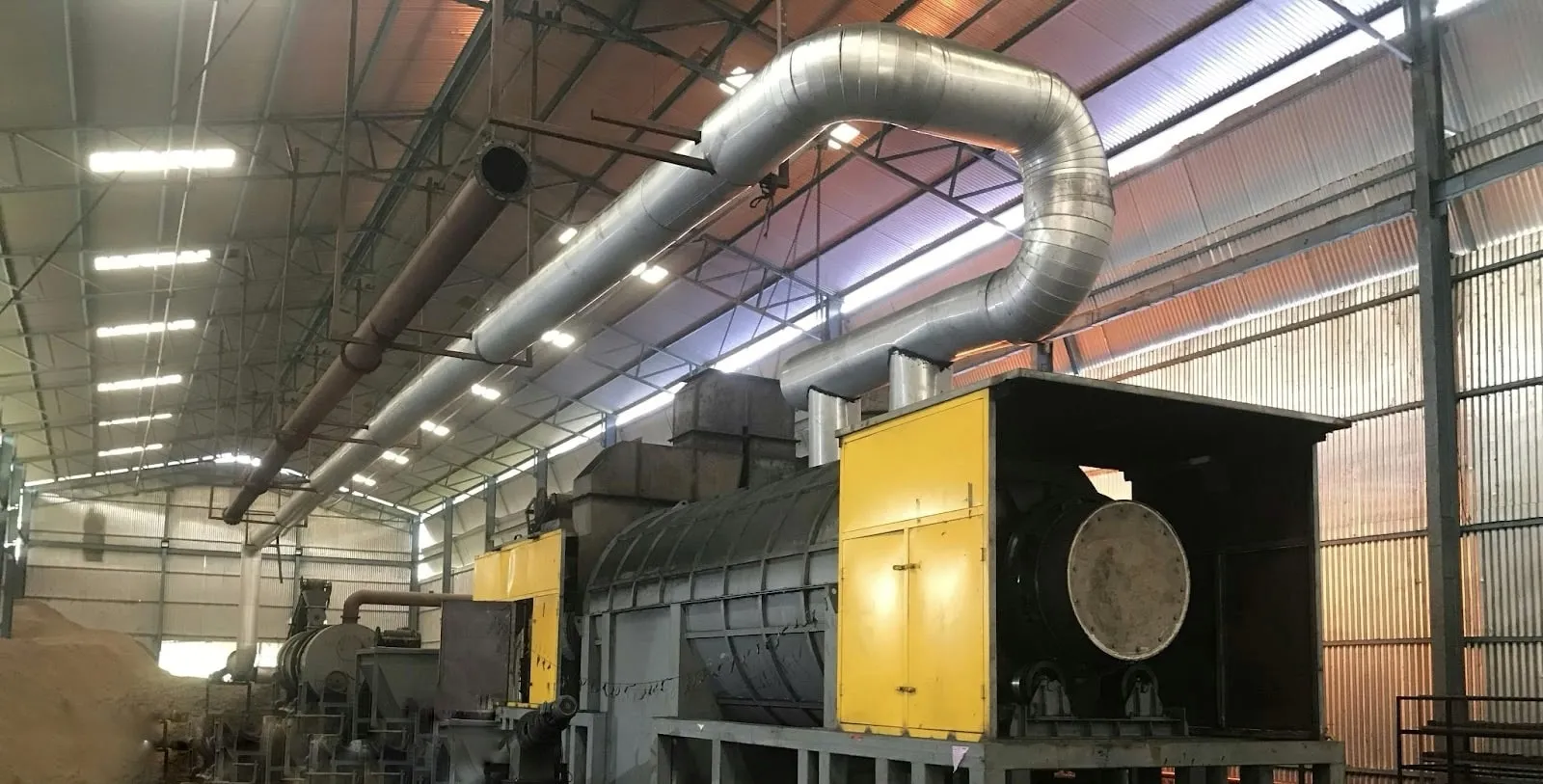
One of the most promising applications is replacing metallurgical coal with biocoal (biochar) in steel and metal smelting operations. Biochar from gasification has comparable fixed carbon content (80-90%) and calorific value to metallurgical coal, while being carbon-neutral.
APChemi has specific expertise in designing biochar production systems that meet the quality specifications for steel industry applications — including fixed carbon, ash content, volatile matter, and mechanical strength requirements.
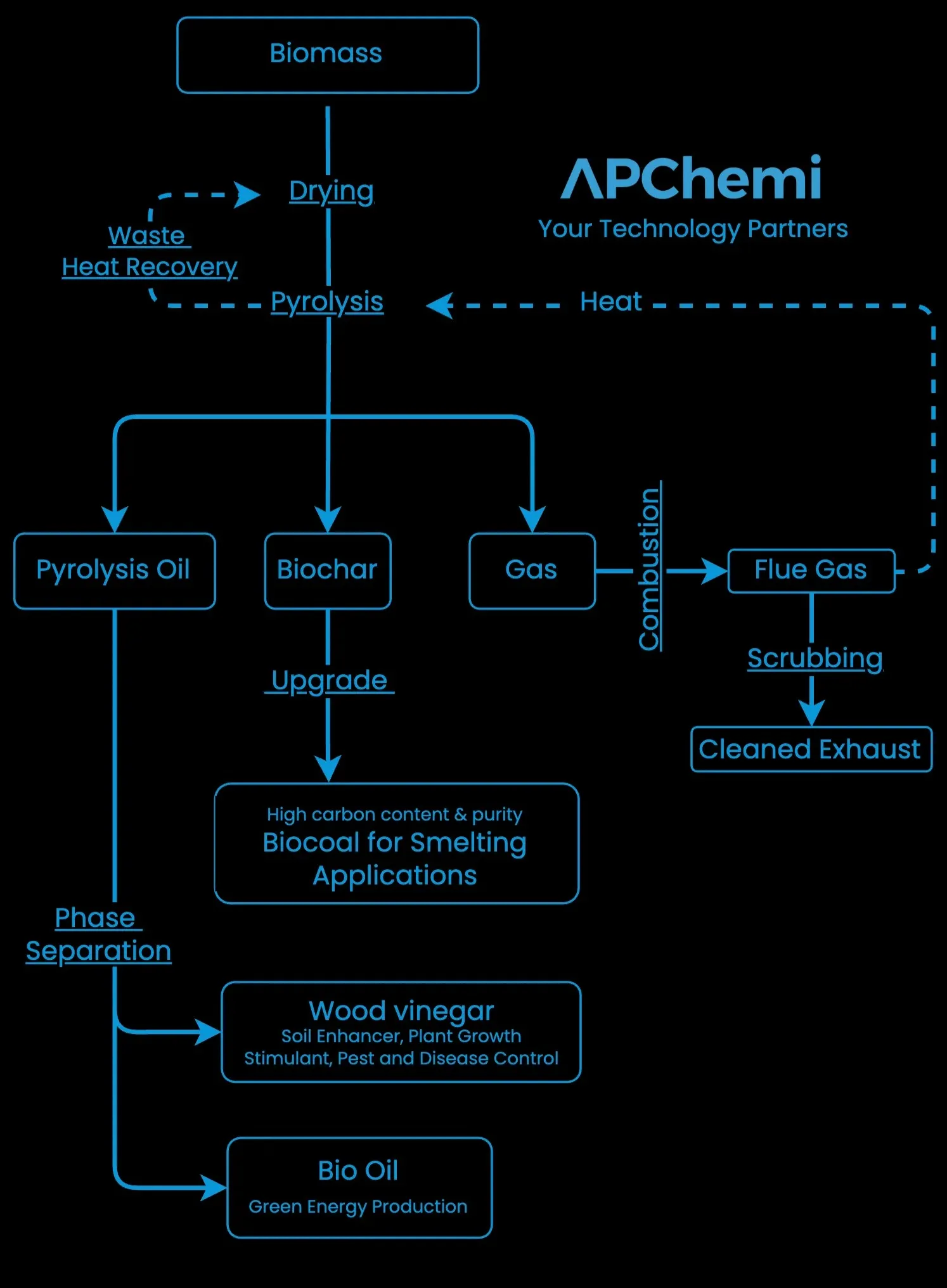
Industry Decarbonization Opportunity
Heavy industry accounts for ~22% of global CO₂ emissions. Replacing coal and natural gas with biomass gasification syngas and biocoal can reduce industrial carbon footprints by 60-90%. With carbon pricing rising globally, the economics of biomass gasification for industrial heat are becoming increasingly compelling.
APChemi's Gasification Expertise
APChemi's deep expertise in thermochemical conversion spans both pyrolysis and gasification, with a unique ability to design integrated systems that maximize value from biomass.
Thermochemical Conversion Expertise
- Projects Delivered
- 49+
- Patents Filed
- 12+
- Years Experience
- 17+
- Kg Processed
- 227M+
- Pilot Facility
- R&D
- Member — Alliance for Industry Decarbonization
- AFID
Thermochemical Engineering
- Pyrolysis + gasification hybrid system design
- Gasifier selection and sizing
- CFD and process simulation
- Syngas conditioning system design
Feedstock Testing & R&D
- Feedstock characterization (proximate, ultimate)
- Pilot-scale gasification trials
- Syngas composition analysis
- Tar sampling and characterization
Integration & Optimization
- Gasification + CHP integration
- Biochar co-production systems
- Coal-to-biomass transition planning
- Carbon credit maximization
Project Management (PMC)
- Feasibility studies and techno-economics
- Technology selection and vendor evaluation
- EPC oversight from design to commissioning
- Performance optimization post-commissioning
Frequently Asked Questions
Pyrolysis operates at 400-700 C with no oxygen, producing primarily oil, char, and gas. Gasification operates at higher temperatures (700-1200 C) with controlled partial oxygen or steam, converting nearly all organic material into syngas (CO + H2). Pyrolysis maximizes liquid and solid products; gasification maximizes gas production.
Syngas (synthesis gas, a mixture of CO and H2) has multiple applications: direct combustion for heat and electricity generation; Fischer-Tropsch synthesis to produce liquid fuels (diesel, jet fuel); methanol synthesis for chemicals; hydrogen production via water-gas shift reaction; and ammonia production for fertilizers.
Biomass gasification works with wood chips, agricultural residues, MSW (municipal solid waste), RDF (refuse-derived fuel), coal, and petroleum coke. The key requirement is a relatively uniform feedstock with consistent moisture and energy content. Biomass should be dried to <20% moisture.
APChemi provides engineering design, R&D testing, and project management consultancy for biomass gasification projects. Our experience spans both pyrolysis and gasification thermochemical processes, with particular expertise in integrating gasification with biochar production systems for maximum carbon efficiency.
Talk to APChemi
Get a Free Consultation
Tell us about your pyrolysis project and our engineers will get back to you within 24 hours.
49+ projects deliveredISCC PLUS certified17+ years experience