The Industrial Coal Problem
Heavy industries face a fundamental decarbonization challenge: they need carbon. Steel production requires carbon as a chemical reductant to convert iron ore to metallic iron. Cement kilns need high-energy fuel. Silicon smelters require carbon for the reduction reaction. Eliminating carbon entirely would require completely different processes that are decades away from commercial scale.
Fossil Carbon (Coal)
- ✗ Locked underground for millions of years
- ✗ Release adds NEW CO2 to atmosphere
- ✗ Subject to carbon taxes (EU ETS: $50-100/t CO2)
- ✗ Increasing regulatory restrictions
- ✗ Volatile pricing and supply risk
Biogenic Carbon (Biochar)
- ✓ Recently captured from atmosphere by biomass
- ✓ Carbon-neutral or carbon-negative lifecycle
- ✓ Exempt from carbon taxes
- ✓ May generate carbon removal credits
- ✓ Sustainable, renewable supply
The solution isn't to eliminate carbon — it's to replace fossil carbon with biogenic carbon. Biochar from sustainably sourced biomass delivers the same chemical and thermal functionality while closing the carbon cycle.
Industrial Applications
| Industry | Application | Biochar Requirement | CO2 Reduction |
|---|---|---|---|
| Steel (Blast Furnace) | Pulverized Coal Injection (PCI) replacement | Fixed carbon >85%, particle size 50-200 μm, ash <5% | 15-25% CO2 per tonne steel |
| Steel (EAF) | Carbon additive / charge carbon replacement | Fixed carbon >90%, low sulfur <0.5%, low ash <3% | 10-20% CO2 per tonne steel |
| Cement | Kiln fuel substitution for coal/petcoke | CV >25 MJ/kg, moisture <5%, consistent particle size | 15-35% fuel-related CO2 |
| Silicon & Ferroalloys | Metallurgical coke replacement as reductant | Fixed carbon >85%, high reactivity, low ash <5% | 30-50% process CO2 |
| Lime Production | Kiln fuel replacement | CV >24 MJ/kg, low ash, consistent supply | 20-40% fuel-related CO2 |
| Activated Carbon | Feedstock for activated carbon production | High surface area potential, low ash, coconut/hardwood origin | Displaces fossil-derived AC |
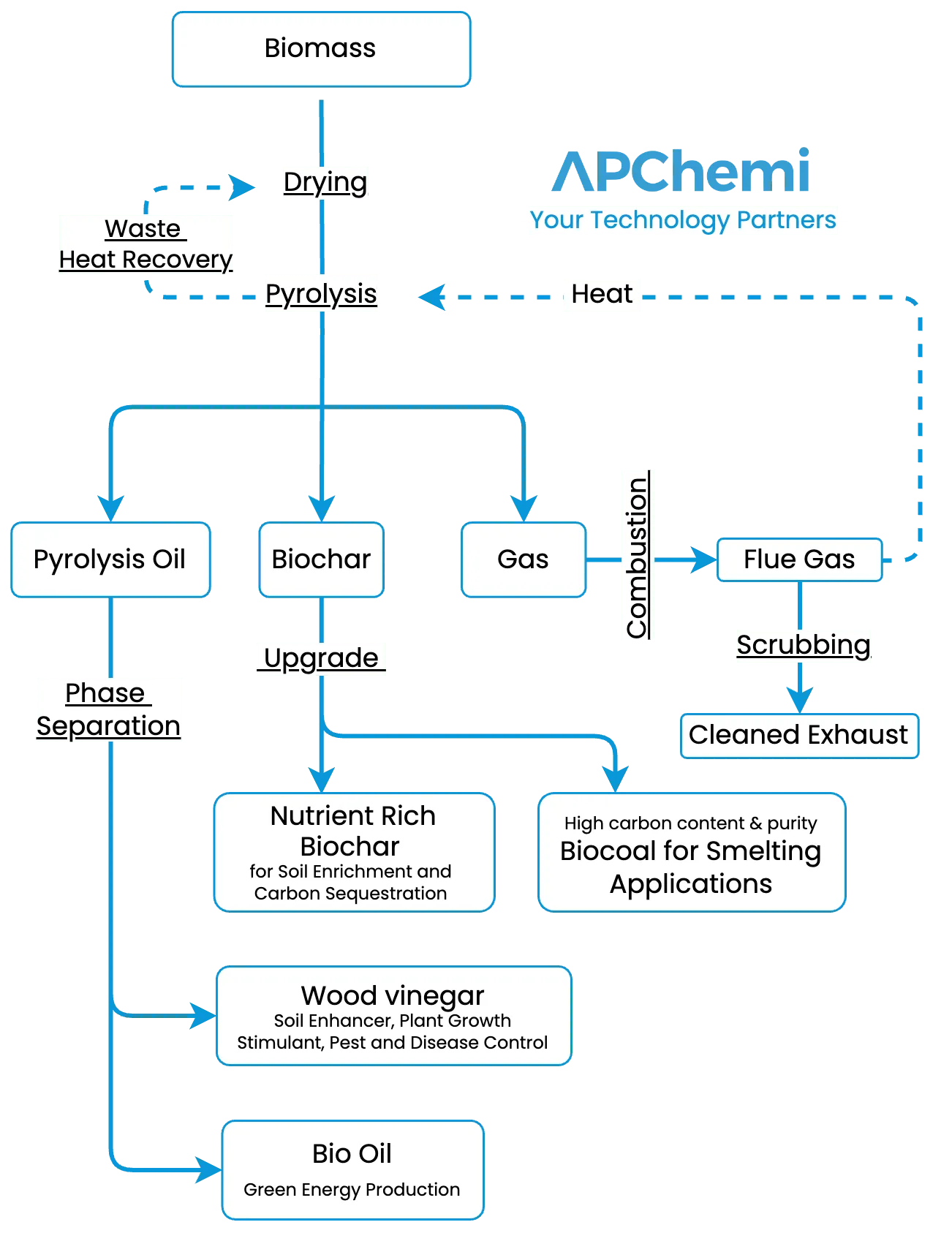
Multiple Industrial Entry Points
Biochar integration offers pathways across the heaviest-emitting industries. The technology is proven and commercially deployed in several applications already.
APChemi designs pyrolysis systems specifically for industrial-grade biochar. We help heavy industries transition from fossil coal with proven, specification-grade biochar supply.
Biochar in Steel Production
The steel industry is the single largest industrial emitter, responsible for approximately 7-8% of global CO2. Biochar integration offers multiple entry points:
PCI Replacement
Blast FurnaceBiochar replaces 20-40% of pulverized coal injection through tuyeres as supplementary fuel and reductant.
Coke Replacement
Burden MaterialBiochar briquettes mixed with iron ore sinter showing promising results at 5-15% replacement rates.
EAF Carbon
Electric Arc FurnaceBiochar as carbon additive for slag foaming and chemistry adjustment. Several European EAF operators already using commercially.
Biochar in Cement Production
Cement kilns operate at 1,400-1,500°C and currently burn coal, petcoke, or waste fuels. Biochar co-firing at 20-40% is technically straightforward:
The limiting factor is biochar supply volume and cost, not technical feasibility. As more pyrolysis plants come online producing industrial-grade biochar, cement industry adoption will accelerate.
Carbon Pricing Drives Adoption
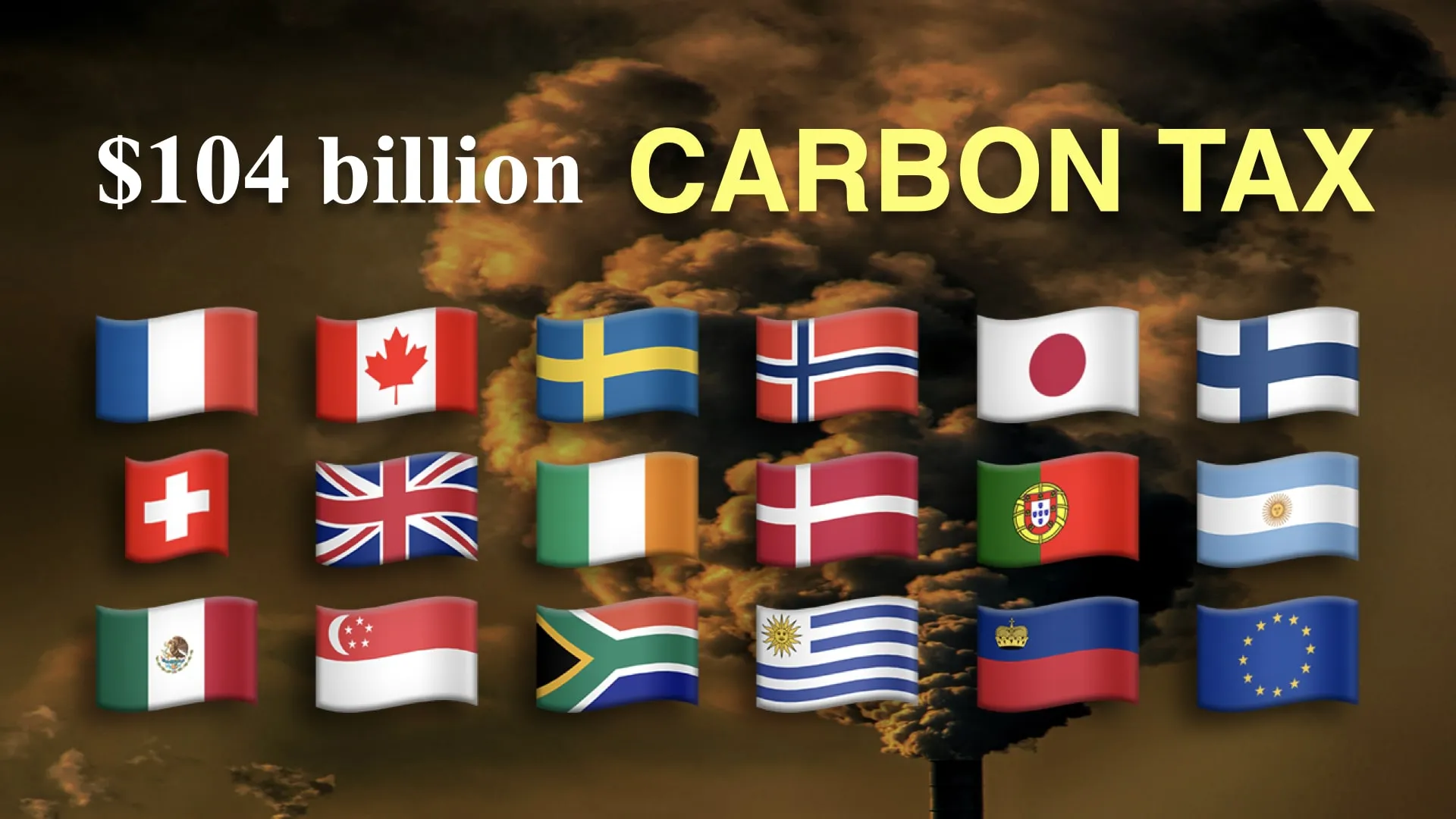
Carbon pricing is expanding globally, making fossil coal increasingly expensive for industrial users. The EU ETS, CBAM, and national carbon taxes are creating a growing cost advantage for biogenic alternatives.
EU Carbon Border Adjustment Mechanism (CBAM) extends carbon costs to imports starting 2026, meaning even industries outside the EU will face carbon-related costs when exporting to European markets.
The Economics of Coal-to-Biochar Transition
Trend: At EU ETS carbon prices above $60-80/tonne CO2, biochar substitution becomes cost-neutral or cost-positive. With carbon prices trending upward globally, the economic case strengthens annually. Early movers lock in biochar supply chains before demand drives prices higher.
Revenue from Carbon Credits
Biochar used in industrial processes may also generate carbon removal credits. The stable carbon fraction that remains in industrial products represents permanent carbon storage, eligible for CDR credit markets valued at $50-$200+ per tonne CO2 equivalent.
Industry-Wide Momentum
The industrial decarbonization movement is accelerating, with major alliances and corporate commitments driving demand for bio-based alternatives to fossil inputs. This is not a future technology — it is being deployed today.
- Major steel companies trialling biochar PCI
- Cement producers actively co-firing biomass
- EU CBAM creating export market incentives
- Government funding for decarbonization R&D
APChemi's Decarbonization Offering
APChemi supports the full value chain from biomass sourcing to certified biochar delivery:
Feedstock Assessment
Testing regional biomass sources for industrial biochar quality potential in our R&D facility. Not all biomass is suitable — we identify the right feedstocks for your specifications.
Plant Design
Pyrolysis systems optimized for high fixed-carbon biochar (>85%) with consistent quality control. Temperature, residence time, and atmosphere precisely controlled for industrial specifications.
Quality Management
CriticalProcess controls and monitoring to maintain industrial specifications batch after batch. Heavy industry requires consistent quality — our systems deliver it.
Certification Support
ISCC Plus, Puro.earth, and other carbon credit certification pathways to maximize the value of your biochar production.
Supply Chain Development
Connecting biochar producers with industrial consumers through quality-assured offtake agreements. Building reliable supply chains for large-volume industrial demand.
Technical Integration
End-to-EndWorking with industrial operators to validate biochar performance in their specific processes. From laboratory testing through full-scale commercial deployment.
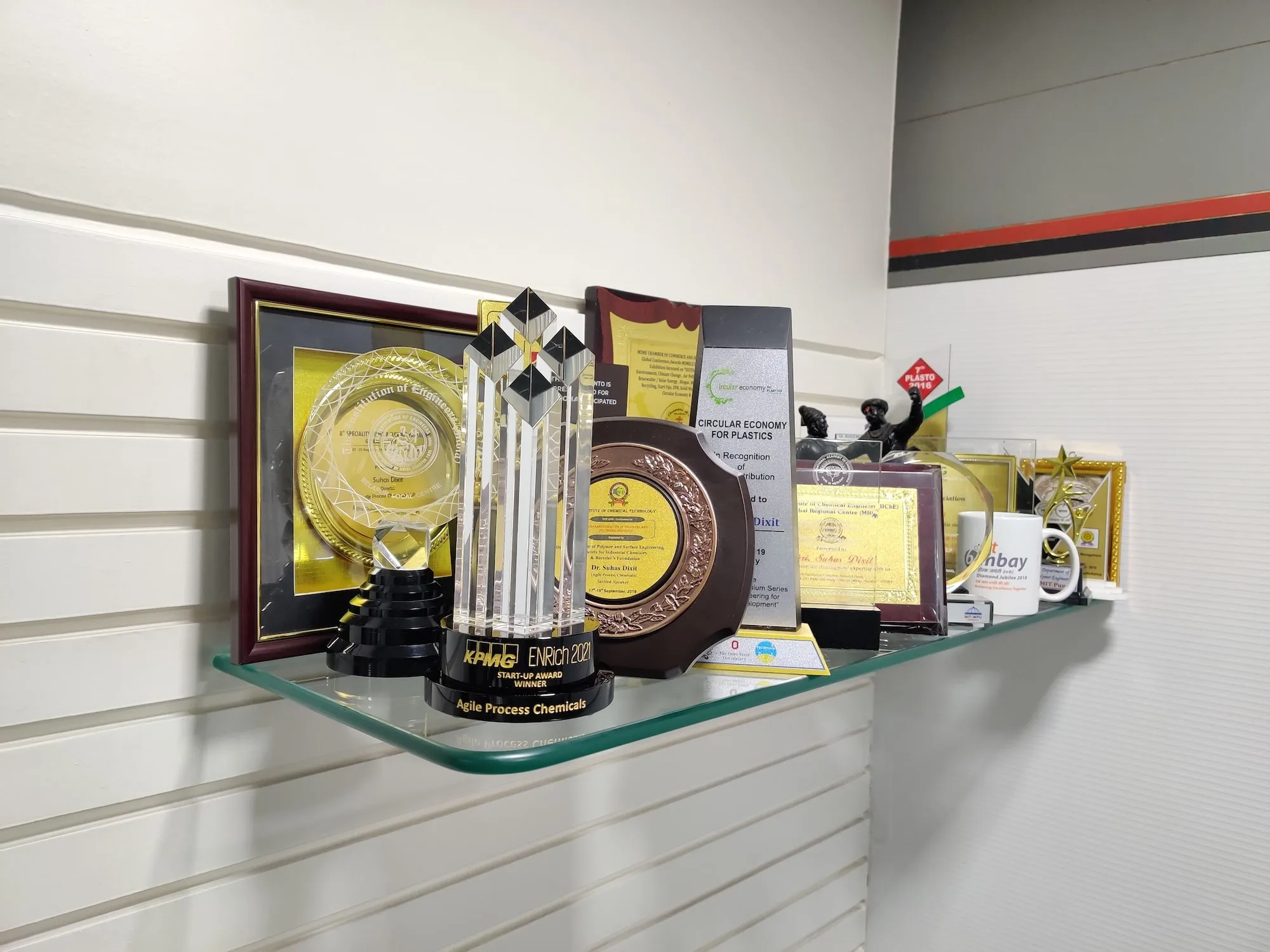
Industry Recognition
APChemi's decarbonization work has been recognized by KPMG for its contribution to industrial emission reduction through innovative pyrolysis technology and biochar production.
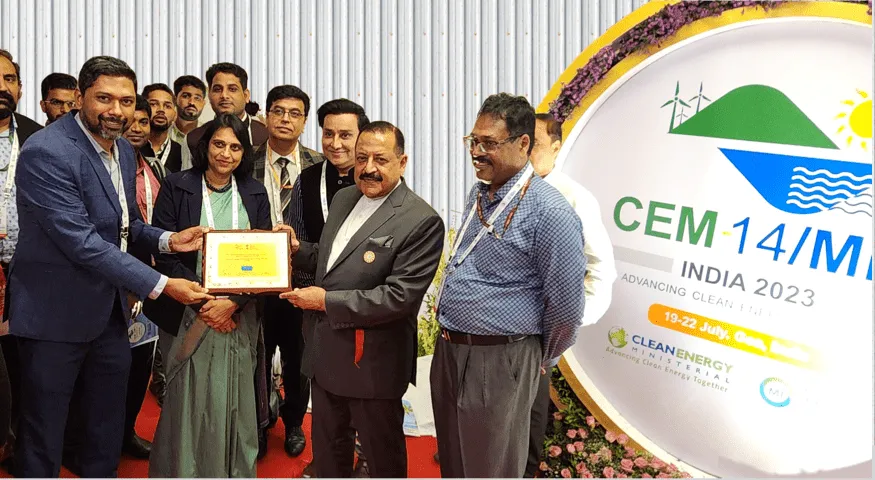
Beyond Biochar
APChemi is also exploring integrated decarbonization solutions including green hydrogen production alongside biochar, creating multi-product facilities that maximize emission reduction impact.
Getting Started with Industrial Biochar
For Industrial Operators
We assess your process requirements, test candidate biochar samples against your specifications, and design a practical transition roadmap from coal to biochar.
Assess your requirements →For Biochar Producers
We design pyrolysis plants that produce biochar meeting industrial specifications, with quality management systems and certification support.
Explore biomass plants →For Investors
We provide techno-economic analysis of biochar production targeting industrial markets, including carbon credit revenue modeling and supply chain opportunities.
View feasibility guide →Powered by APChemi — Industrial Decarbonization Partner
Feedstock Testing
Industrial biochar quality analysis
Plant Design
Biochar-optimized systems
Certification
ISCC Plus & carbon credits
Supply Chain
Producer-to-industry linkages
Frequently Asked Questions
Biochar serves as a direct substitute for coal in several industrial applications. In steel blast furnaces, biochar replaces pulverized coal injection (PCI) and coke as a carbon reductant. In cement kilns, it substitutes coal as a fuel. In silicon and ferroalloy production, it replaces metallurgical coke as a reducing agent. The key requirement is biochar with sufficiently high fixed carbon (>80%), low ash, and adequate mechanical strength for each application.
The potential is substantial: replacing 1 tonne of fossil coal with biochar eliminates approximately 2.5-3.0 tonnes of CO2 equivalent (accounting for both avoided fossil emissions and biogenic carbon sequestration). Steel plants using 20-30% biochar in PCI can reduce specific emissions by 15-25%. Cement plants co-firing 20-40% biochar can reduce fuel-related CO2 by 15-35%. These figures improve further when combined with other decarbonization measures.
Currently, biochar costs $200-$500/tonne vs. coal at $80-$180/tonne, making it 2-4x more expensive on a per-tonne basis. However, carbon pricing changes the equation: at $50-$100/tonne CO2 (EU ETS range), biochar becomes cost-competitive because each tonne of biochar avoids 2.5-3.0 tonnes of CO2 costs. With carbon prices expected to rise, early adoption locks in supply chains before demand drives biochar prices higher.
Not all biomass produces suitable biochar. High-quality industrial biochar requires dense, low-ash feedstocks: coconut shell (85-90% fixed carbon), hardwood (75-85%), palm kernel shell (80-85%), and certain agricultural residues. Softwood, rice husk, and grassy biomass produce lower-quality biochar with higher ash and lower mechanical strength. APChemi tests feedstocks to determine suitability for specific industrial applications.
APChemi provides end-to-end support: feedstock assessment and biochar quality testing in our R&D facility, pyrolysis plant design optimized for industrial-grade biochar production, ISCC Plus and carbon credit certification support, supply chain development connecting biochar producers with industrial offtakers, and ongoing technical support to maintain biochar quality specifications.
Get a Free Consultation
Tell us about your pyrolysis project and our engineers will get back to you within 24 hours.
Get a Free Project Assessment →Explore More
Biochar & Carbon Removal (CDR)
Understand biochar production, carbon credits, and CDR certification.
Biomass Pyrolysis Plant
Plant designs optimized for industrial-grade biochar production.
ISCC Plus Certification
Certify your biochar for sustainable industrial supply chains.
R&D / Lab Testing
Test biomass feedstocks for industrial biochar quality potential.
Project Management (PMC)
Full project delivery for decarbonization biochar plants.
Environmental Impact Guide
Lifecycle analysis, carbon credits, and ESG metrics for pyrolysis projects.