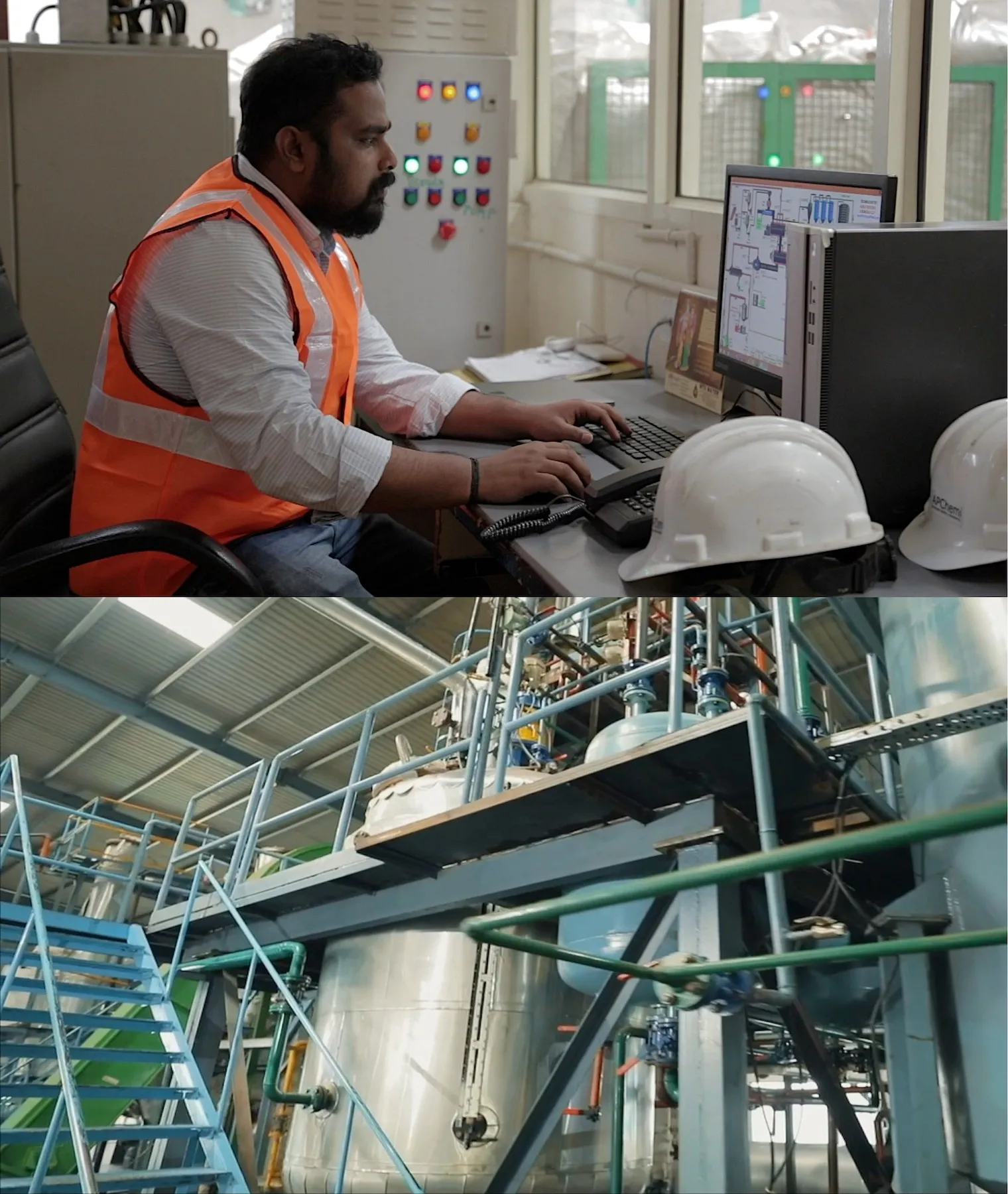
Common Problems We Solve
Low oil yield (20-30% below expected)
Wrong temperature profile, excessive cracking to gas, poor condensation efficiency, feedstock quality issues
Temperature optimization, condenser redesign, feedstock pre-processing improvement
Poor oil quality (high sulfur, particulates)
Inadequate gas cleaning, wrong condensation temperature, feedstock contamination (PVC, dirt)
Gas cleaning upgrades, condensation train optimization, feedstock sorting improvement
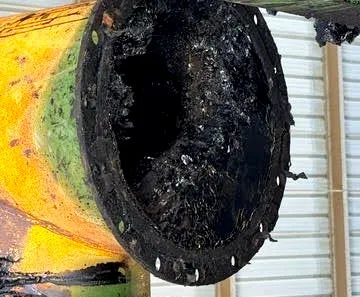
Reactor coking / blockages
Hot spots, inadequate mixing, wrong residence time, feedstock melting and bridging
Heat distribution improvement, reactor internal modifications, feed system redesign
High energy consumption
Poor insulation, gas leaks, inefficient burner design, no heat recovery
Insulation upgrades, leak detection and repair, burner optimization, heat recovery system
Excessive downtime / maintenance
Thermal cycling damage (batch), corrosion from chlorine/sulfur, bearing failures, seal degradation
Material upgrades, corrosion protection, maintenance schedule optimization
Environmental compliance failures
Inadequate emission controls, odor issues, wastewater management gaps
Emission control upgrades, gas treatment systems, environmental management plan
The Cost of Underperformance
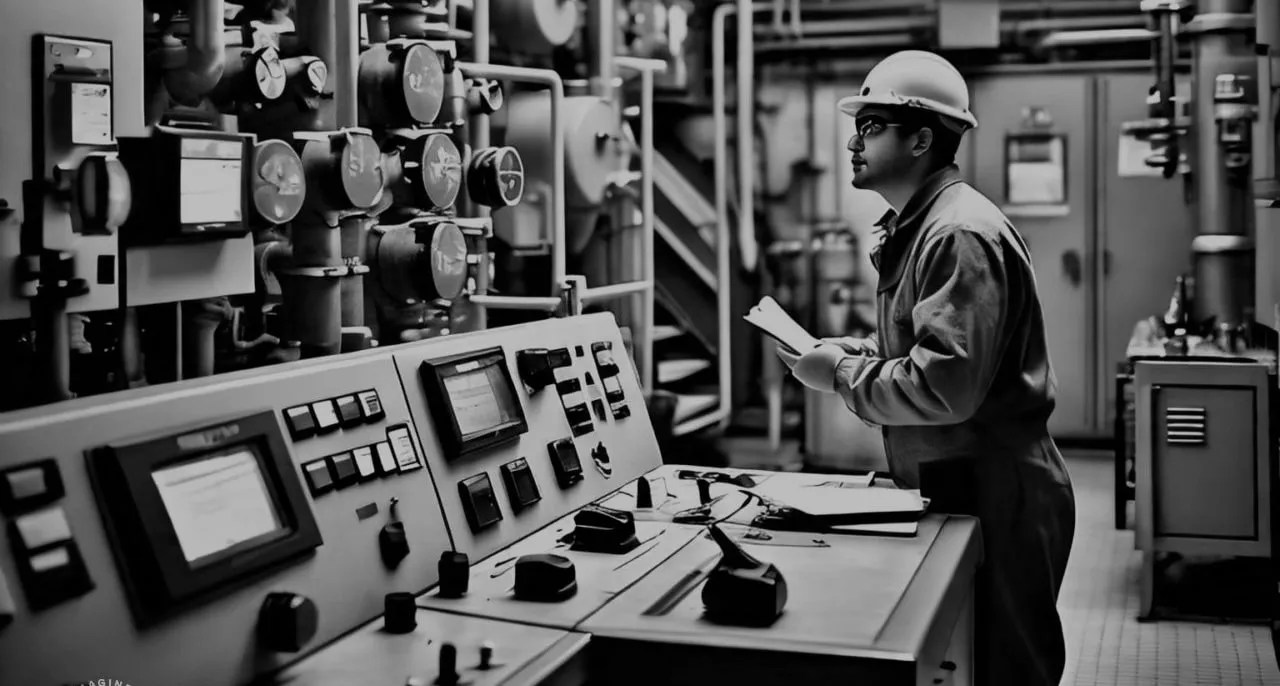
A plant operating at 60% of its potential doesn't just lose 40% of revenue — it often also has higher operating costs, increased maintenance, and quality issues that further reduce margins.
Lost Revenue: 20-30% lower yields = $200K-$1M+/year lost income
Higher Costs: Excess energy, maintenance, and downtime = $50K-$300K/year
Quality Penalty: Selling lower-grade oil at $50-$150/tonne discount
Troubleshooting cost: $5K-$100K — pays for itself in 2-6 months
Is your pyrolysis plant underperforming? APChemi's engineers have 17+ years of experience diagnosing and fixing operational issues in plants worldwide.
Root Cause Analysis: 9 Technical Challenges
Beyond the symptoms above, our engineers have identified 9 fundamental technical root causes that underlie most pyrolysis plant failures. Understanding these helps you diagnose whether your plant has design-level issues that need engineering solutions — not just operational tweaks:
Improper Air Lock Feeding
Safety hazard, 10-20% yield lossFeeding systems without proper air locks allow oxygen into the reactor during material loading. This creates safety hazards from uncontrolled combustion and causes 10-20% yield loss as valuable hydrocarbons are burned rather than recovered as oil.
Air Leaking into Pyrolysis Reactor
Explosion risk, product degradationSeal failures, worn gaskets, or poor-quality flanges allow ambient air to enter the oxygen-free reactor environment. Even small air ingress causes partial combustion of pyrolysis vapours, degrading product quality and creating serious explosion risk.
Incorrect Material of Construction
Reactor failure in 1-2 yearsUsing mild steel or low-grade alloys where high-temperature corrosion-resistant materials are needed. Reactors operating at 400-600°C with corrosive feedstocks (sulfur from tires, chlorine from PVC contamination) require specific metallurgy — cheap materials mean reactor failure in 1-2 years.
Tar Clogging Vapour Pipelines
Production shutdown, fire riskHeavy tar fractions condense in vapour transfer lines when temperatures drop below the tar dew point. Without proper heat tracing, insulation, and pipeline design, tar buildup causes blockages that shut down production and create fire risk from accumulated flammable deposits.
Carbon Carry-Over from Reactor
Poor oil quality, condenser foulingFine carbon particles and char dust are entrained in the pyrolysis vapour stream due to excessive gas velocities, poor reactor internals, or turbulent flow patterns. This contaminates the oil product and fouls downstream condenser surfaces.
Tar Clogging of Condenser Systems
15-30% oil recovery lossCondenser designs that don't account for tar separation allow heavy fractions to coat heat exchange surfaces, progressively reducing cooling efficiency. Oil recovery drops 15-30% as vapours pass through without condensing, escaping as non-condensable gas losses.
Energy Imbalance Requiring External Fuel
$3K-$10K/month extra fuel costPoorly designed plants cannot utilise their own non-condensable gas (NCG) for process heating, requiring purchased LPG, diesel, or natural gas. This adds $3,000-$10,000/month in fuel costs and destroys project economics.
Improper Reactor Design (Under-Capacity)
30-50% capacity lossReactors with insufficient heat transfer area, poor mixing, or undersized dimensions cannot process the nameplate feedstock throughput. The result: 30-50% capacity loss compared to what was promised, with proportional revenue reduction.
Reduced Equipment Safety and Mechanical Strength
Structural failure riskCost-cutting on structural steel, pressure vessel thickness, support structures, and safety relief systems creates risk of catastrophic mechanical failure. This is particularly dangerous in high-temperature, high-pressure pyrolysis environments.
Our Troubleshooting Approach
Remote Data Review
We analyze your plant drawings, operating data, product test results, maintenance logs, and performance history to identify likely root causes before visiting your site.
On-Site Diagnostic Visit
Our engineers inspect your plant, observe operations, take measurements, and interview operators. Typically 3-5 days of intensive on-site assessment.
Root Cause Analysis
Critical PhaseComprehensive engineering assessment identifying ALL factors contributing to underperformance — not just symptoms, but fundamental root causes.
Solution Design
Prioritized list of modifications ranked by cost, impact, and implementation timeline. Quick wins identified alongside longer-term improvements.
Implementation Support
Engineering drawings, equipment specifications, and on-site supervision for modifications. APChemi can manage the full remediation project if needed.
Performance Verification
Results ConfirmedPost-modification monitoring to confirm improvements are achieved. We measure actual performance gains against pre-troubleshooting baseline.
We Troubleshoot Any Plant
APChemi provides independent troubleshooting for pyrolysis plants regardless of origin. Our assessment is objective — we have no interest in protecting the reputation of the original builder.
Chinese-Manufactured Plants
Commonly experience quality control issues, poor condensation design, and safety gaps. These are the most frequent troubleshooting requests we receive.
Indian-Manufactured Plants
Often need optimization of temperature profiles and emission controls to meet international standards and maximize product quality.
European-Designed Plants
May need feedstock adaptation for different waste streams or capacity optimization to improve economics at current operating conditions.
Self-Built / Custom Plants
Frequently have fundamental design flaws that limit performance. These often need the most comprehensive engineering review.
Patented Anti-Coking Technology
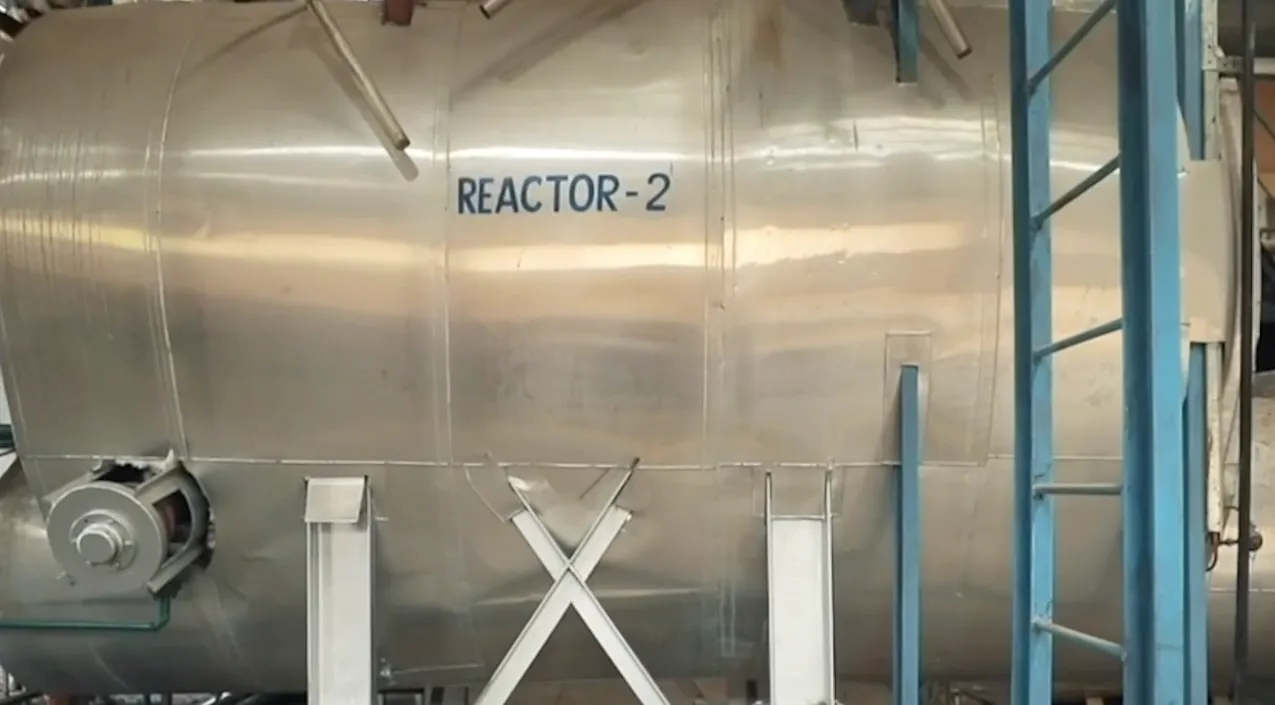
Reactor coking is one of the most common and expensive problems in pyrolysis plants. APChemi has developed and patented anti-coking reactor designs that prevent carbon buildup through optimized heat distribution and internal geometry.
12+ patents covering reactor design, process optimization, and product quality improvements. When we troubleshoot your plant, we bring proprietary solutions that most other consultants cannot offer — upgrading your operations toward APChemi's 7x better standard across energy efficiency, safety, flexibility, cost, anti-coking, scalability, and oil purity.
Typical Results
Oil Yield Improvement
Increase through temperature optimization and condensation system upgrades
Oil Quality Improvement
Sulfur reduction, particulate removal, and water content reduction for higher selling prices
Energy Cost Reduction
Through heat recovery, insulation, and gas recycling improvements
Uptime Improvement
Reduction in unplanned downtime through root cause elimination
ROI on Troubleshooting
Most clients see full payback on troubleshooting investment within 2-6 months through improved revenue and reduced operating costs. A $15K-$50K troubleshooting engagement typically recovers $100K-$500K+ annually in improved performance.
On-Site Engineering Support
APChemi's troubleshooting team doesn't just deliver a report — we stay involved through implementation. Our engineers provide hands-on support to ensure modifications achieve the targeted performance improvements.
- On-site supervision during modifications
- Operator training on optimized procedures
- Commissioning support after upgrades
- Performance monitoring and verification
Troubleshooting Investment
- P&ID and drawing review
- Operating data analysis
- Preliminary root cause identification
- Recommendations report
- Everything in Remote
- 3-5 day on-site inspection
- Comprehensive root cause analysis
- Prioritized modification list
- Engineering specifications
- Everything in On-Site
- Redesign and engineering drawings
- On-site supervision of modifications
- Operator training
- Performance verification
Powered by APChemi — Independent Pyrolysis Expertise
Diagnostics
Root cause analysis & identification
Redesign
Engineering modifications & upgrades
R&D Testing
Diagnostic lab analysis
Verification
Performance monitoring & sign-off
Frequently Asked Questions
APChemi troubleshoots a wide range of pyrolysis plant issues: low oil yield, poor oil quality (high sulfur, particulates, water), reactor coking and blockages, inconsistent product quality, high energy consumption, excessive emissions, safety incidents, corrosion and equipment degradation, feeding system problems, condensation system inefficiency, and char handling difficulties.
No — APChemi troubleshoots any pyrolysis plant regardless of original designer or manufacturer. In fact, most troubleshooting requests come from operators of plants built by other engineering firms or Chinese equipment suppliers where performance does not meet promises. Our independent assessment is unbiased by the original design.
Initial remote assessment (reviewing data and drawings) costs $2,000-$5,000. On-site diagnostic visit costs $5,000-$15,000 plus travel expenses, typically taking 3-5 days. Comprehensive remediation programs including redesign and implementation support range from $15,000-$100,000+ depending on scope.
For remote assessment, APChemi can typically begin within 1-2 weeks of receiving plant data. For urgent on-site visits, our team can mobilize within 2-4 weeks. Emergency support for safety-critical issues may be available sooner — contact us directly.
The 9 most common technical root causes we encounter are: (1) improper air lock feeding causing safety hazards and 10-20% yield loss, (2) air leaking into the reactor creating explosion risk, (3) incorrect materials of construction leading to reactor failure in 1-2 years, (4) tar clogging vapour pipelines causing shutdowns, (5) carbon carry-over from the reactor degrading oil quality, (6) tar clogging condenser systems reducing oil recovery by 15-30%, (7) energy imbalance requiring $3K-$10K/month in external fuel, (8) improper reactor design causing 30-50% capacity loss, and (9) reduced equipment safety and mechanical strength risking structural failure.
Yes — in most cases, targeted modifications can resolve specific technical challenges without a full plant replacement. For example, air lock issues can be fixed with seal upgrades and monitoring systems, tar clogging can be addressed through vapour pathway redesign and heat tracing, and energy imbalance can be corrected with heat recovery systems. APChemi's approach is always to find the most cost-effective solution, which typically costs 5-20% of a new plant while recovering 50-80% of lost performance.
Get a Free Consultation
Tell us about your pyrolysis project and our engineers will get back to you within 24 hours.
Get a Free Project Assessment →Explore More
R&D / Lab Testing
Diagnostic testing of feedstock and products from underperforming plants.
Continuous Pyrolysis Plant
Upgrade from batch to continuous for more reliable operation.
Oil Purification
Improve oil quality through post-pyrolysis distillation and treatment.
Project Management (PMC)
Full project management for plant modifications and upgrades.
Pyrolysis Plant Cost Guide
Budget planning for plant modifications and operational improvements.
Contact APChemi
Describe your plant issues for an initial assessment.