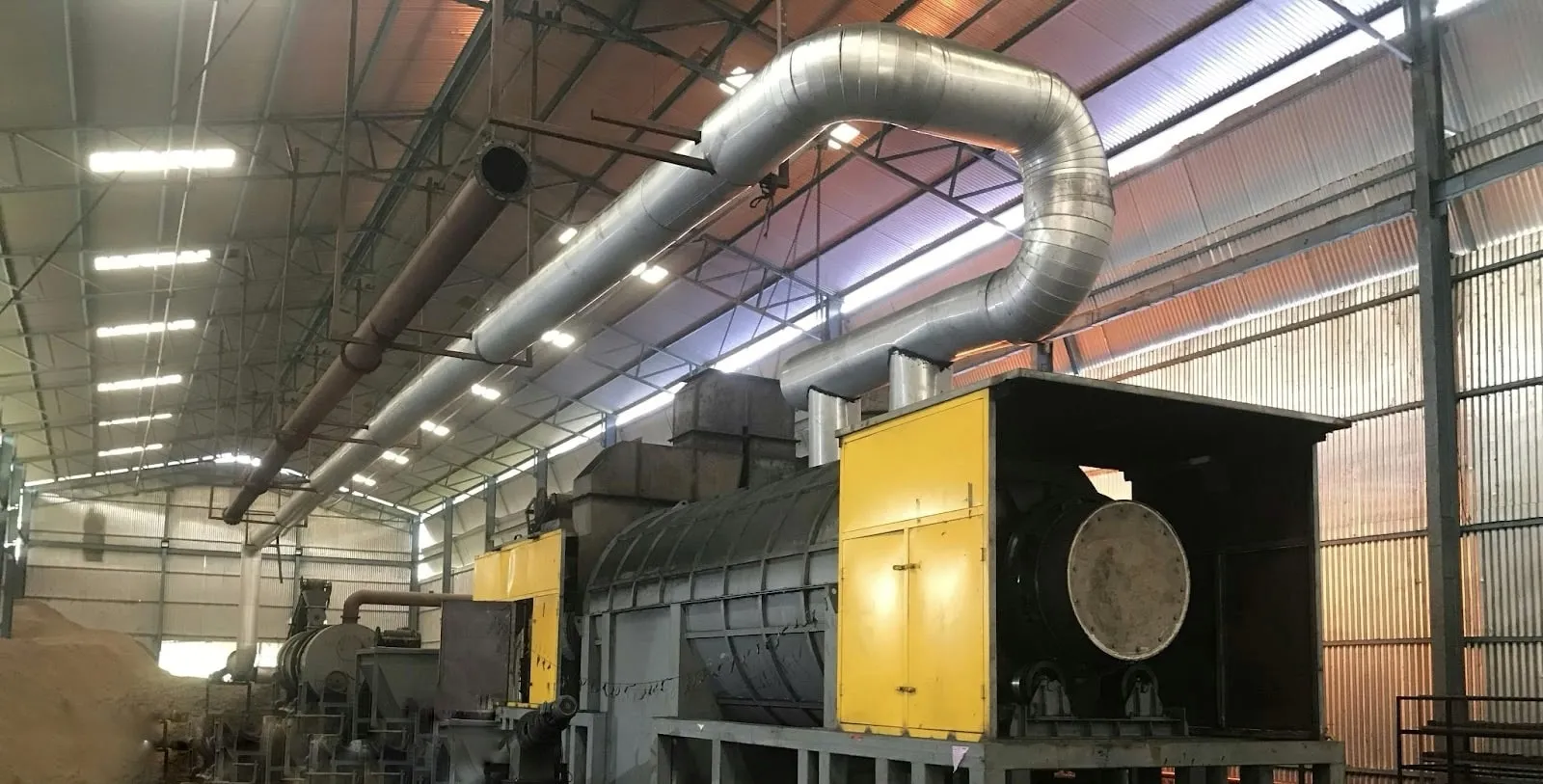
Biochar CDR — The Fastest Growing Carbon Market
How Biochar CDR Works
The biochar carbon removal cycle follows a simple but powerful logic:
Carbon Capture
Plants absorb CO2 from the atmosphere during photosynthesis, storing carbon in their biomass (wood, leaves, roots, crop residues).
Pyrolysis Conversion
Biomass is heated to 400-700°C without oxygen. ~50% of the biomass carbon converts into biochar — a highly stable aromatic carbon structure.
Permanent Storage
Biochar is applied to soil, used in construction, or stored in long-term sinks. Its aromatic carbon resists decomposition for hundreds to thousands of years.
Net Removal
Without pyrolysis, biomass decomposes naturally, releasing all carbon as CO2. Biochar diverts carbon from the fast cycle into permanent storage.
This makes biochar one of only a few CDR methods combining proven permanence (100-1000+ years), existing technology (pyrolysis is commercially mature), and economic viability (co-products generate additional revenue).
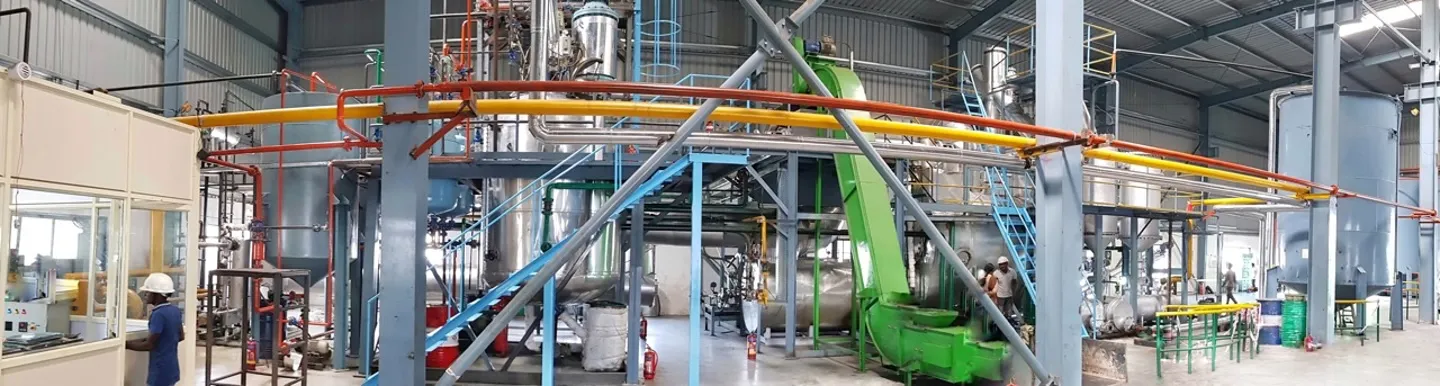

APChemi's advanced biochar production technology process
Why Biochar Leads CDR
Compared to other carbon removal methods, biochar offers a unique combination of advantages:
- Permanence: 100-1000+ years (vs. 10-100 years for forestry)
- Technology readiness: Commercially proven today (vs. decades away for DACCS)
- Cost: $50-200/tCO2 (vs. $400-1000 for direct air capture)
- Co-benefits: Soil improvement, waste reduction, renewable energy
- Scalability: Uses existing biomass waste streams globally
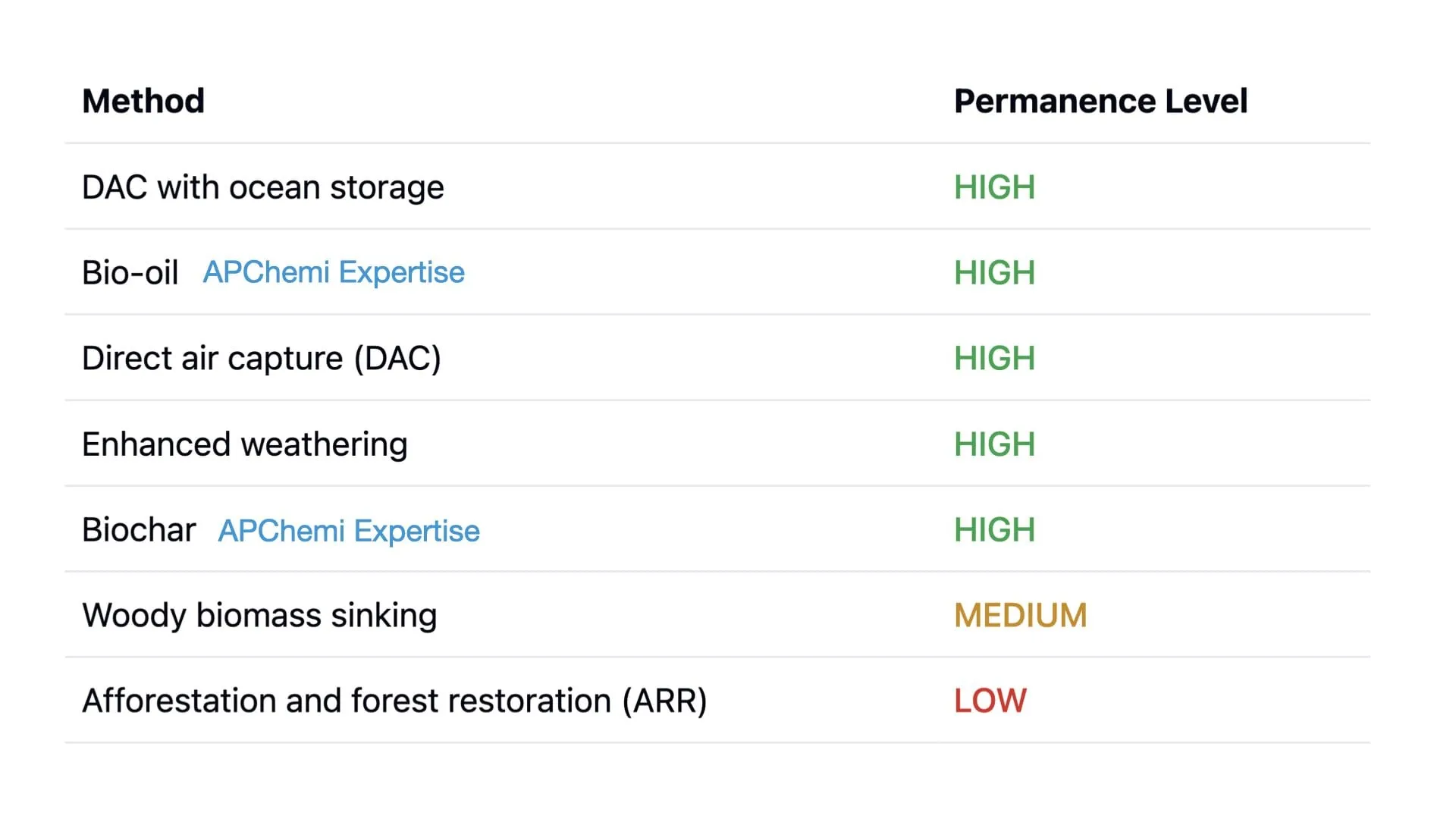
Carbon removal methods comparison
The CDR Market Opportunity
Exponential Growth
CDR market grew from near zero in 2020 to $2B+ in 2025. Needs to scale to 5-10 billion tonnes CO2/year by 2050 for Paris Agreement targets.
Corporate Buyers
Microsoft, Stripe, Shopify, Swiss Re, JPMorgan, H&M and hundreds of corporates with net-zero commitments are purchasing biochar credits.
Rising Prices
Credit prices are expected to rise as demand outpaces supply and regulatory frameworks (EU CRCF, US 45Q) incentivize durable removal.
Biochar #1 in Durable CDR
Biochar accounts for approximately 30% of all durable CDR deliveries — the largest single CDR methodology by volume.
Carbon Credit Price Trajectory
Premium buyers already pay $100-$200+/tCO2 for biochar CDR credits. As regulations tighten and voluntary markets mature, prices are projected to continue rising:
- • 2025: $50-200/tCO2 (current market)
- • 2030: $100-300/tCO2 (projected, IPCC scenarios)
- • EU Carbon Border Adjustment: Making carbon accounting mandatory for imports
- • US 45Q tax credit: Up to $180/tCO2 for qualified carbon removal
Carbon removal credit price trends
Biochar CDR is the #1 growth market in pyrolysis. APChemi designs plants optimized for carbon credit-grade biochar production.
What Makes CDR-Grade Biochar?
Not all biochar qualifies for carbon credits. CDR-grade biochar must meet specific quality standards:
● High Fixed Carbon
Minimum 70%, preferably 80%+ fixed carbon content (measured by proximate analysis). Higher carbon = more permanent sequestration.
● Low H:C Ratio
H/C molar ratio below 0.7 indicates high aromaticity and long-term stability — the key metric for carbon permanence.
● Low Contaminants
Heavy metals, PAHs (polycyclic aromatic hydrocarbons), and dioxins must be below threshold limits defined by certification bodies.
● Sustainable Feedstock
Biomass must be sustainably sourced — no deforestation, no competition with food production, documented chain of custody.
● Documented Process
Pyrolysis temperature, residence time, and energy balance must be monitored and recorded for certification audit trails.
● Lifecycle Analysis
Net carbon removal must account for feedstock transport, processing energy, and all supply chain emissions in a full LCA.
CDR-Grade Biochar from APChemi
APChemi's process engineering maximizes fixed carbon content while maintaining low contaminant levels. Our biochar meets requirements for:
- • Puro.earth — Most established biochar CDR registry
- • European Biochar Certificate (EBC) — EU standard
- • Verra VCS — Verified Carbon Standard
- • Gold Standard — Premium certification
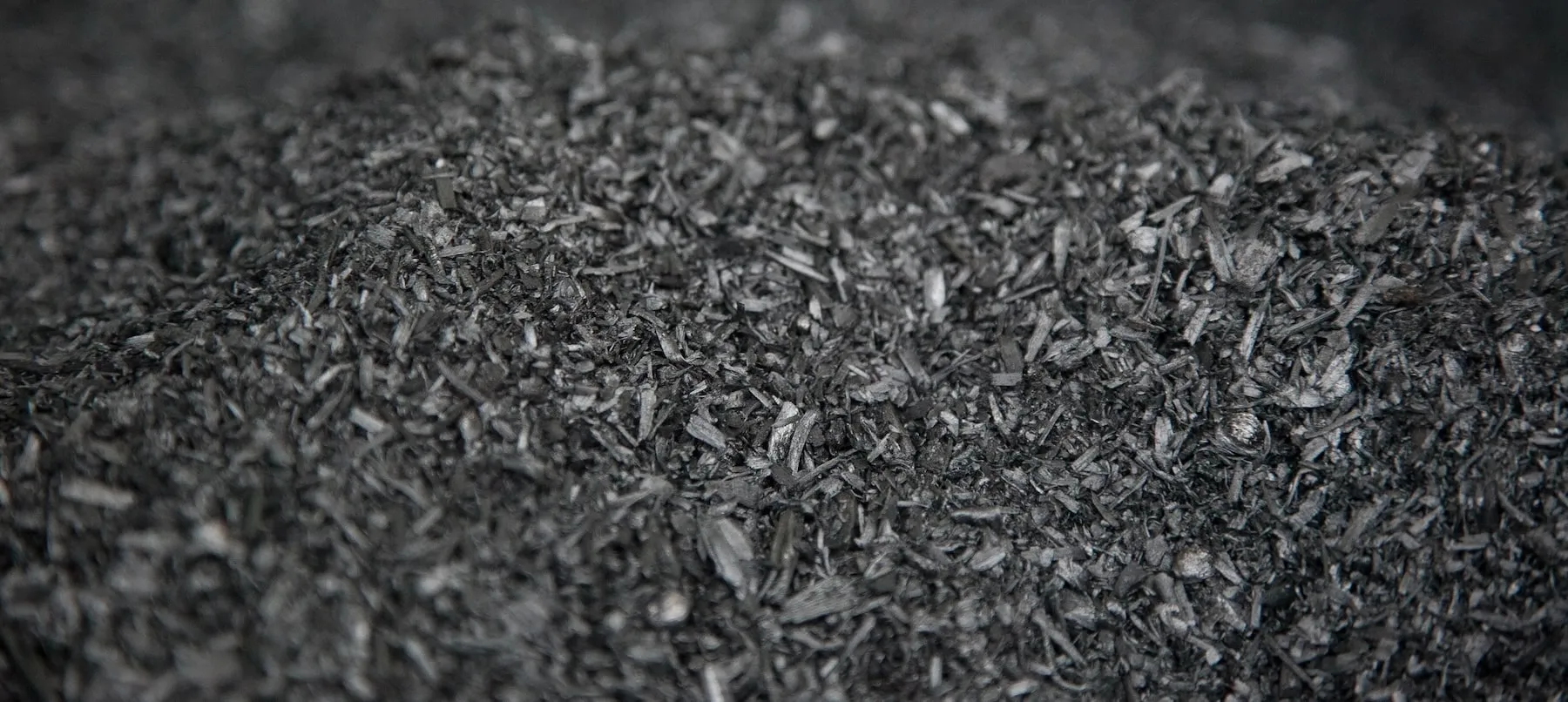
CDR-grade biochar from APChemi
Revenue Model: Biochar + Carbon Credits
Biochar projects benefit from a unique dual revenue stream — you can sell the physical product AND earn carbon credits:
| Revenue Stream | Value per Tonne Biochar | Notes |
|---|---|---|
| Biochar sales (soil amendment) | $200–$500/MT | Agricultural and horticultural markets |
| Biochar sales (industrial) | $300–$800/MT | Water filtration, construction, coal replacement |
| Carbon removal credits | $125–$500/MT | $50-$200/tCO2 × 2.5-3.0 tCO2/MT biochar |
| Bio-oil co-product | $300–$500/MT | Heating fuel, upgraded for transport fuel |
| Combined potential | $500–$1,500+/MT | Product sales + carbon credits (stackable) |
Dual Revenue Stream — Biochar's Unique Advantage
Unlike most CDR technologies, biochar generates revenue from both product sales AND carbon credits. This stackable model means biochar CDR projects can be profitable even at today's credit prices — with upside as carbon markets grow.
Biochar Applications (All Generate Carbon Credits)
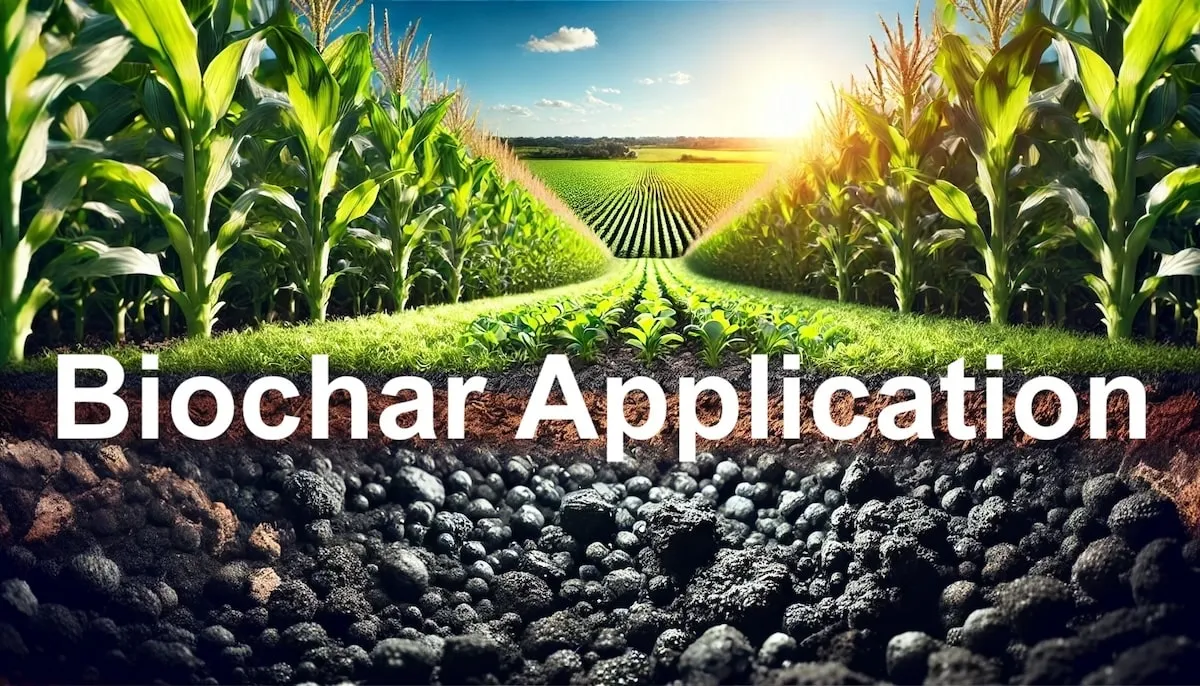
Biochar as agricultural soil amendment — combining carbon sequestration with soil improvement
APChemi's Biochar CDR Approach
Process Optimization
- ✓ Maximize fixed carbon content (80%+)
- ✓ Minimize PAH formation
- ✓ Precise temperature & residence time control
- ✓ Energy-efficient plant designs
R&D & Feedstock Testing
- ✓ Biomass feedstock characterization
- ✓ Biochar yield & carbon content testing
- ✓ Credit potential assessment
- ✓ Scale-up pathway design
Certification Support
- ✓ Monitoring & data logging systems
- ✓ Lifecycle analysis engineering
- ✓ Registry selection guidance
- ✓ Audit preparation
Scale-Up Expertise
- ✓ Bench to pilot to commercial
- ✓ 49+ commercial projects globally
- ✓ 12+ patents in thermochemical conversion
- ✓ De-risked investment approach
APChemi's Biochar & CDR Track Record
Global leaders in pyrolysis engineering for biochar production
Getting Started with Biochar CDR
Feedstock Assessment
Identify available biomass sources, quantities, and sustainability credentials. APChemi evaluates feedstock suitability for CDR-grade biochar.
Lab Testing
Send samples to APChemi's R&D facility for pyrolysis testing — we determine biochar yield, fixed carbon content, and carbon credit potential.
Feasibility Study
Techno-economic analysis including biochar production costs, product revenue, and carbon credit revenue projections.
Plant Design & Build
Custom engineering for your feedstock, capacity, and certification requirements. From 5 TPD pilot to 50+ TPD commercial scale.
Certification & Credits
Select registry (Puro.earth, EBC, Verra), complete documentation, and begin issuing carbon removal credits.
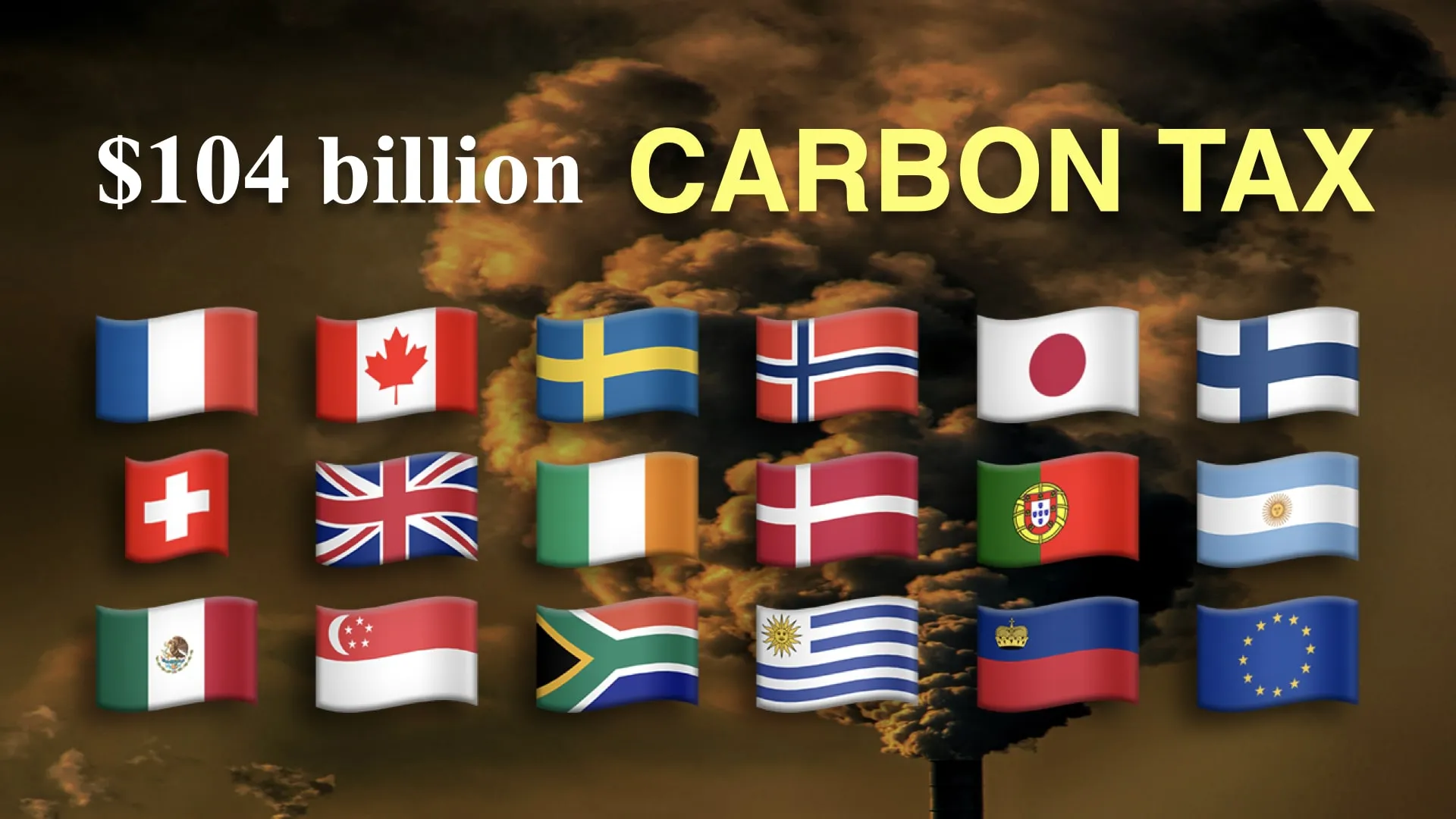
Carbon tax rates globally — driving demand for carbon removal solutions like biochar
Biochar Producers
Find biochar producers and biomass pyrolysis companies for carbon removal credits and sustainable agriculture.
Frequently Asked Questions
Plants absorb CO2 during photosynthesis and store it as biomass. When that biomass is pyrolyzed (heated without oxygen), about 50% of the carbon is locked into biochar — a highly stable solid that persists for hundreds to thousands of years in soil. This moves carbon from the fast carbon cycle (atmosphere-biosphere) into a long-term storage pool, achieving net carbon dioxide removal.
Biochar typically contains 70-90% fixed carbon. One tonne of high-quality biochar sequesters approximately 2.5-3.0 tonnes of CO2 equivalent (accounting for the carbon content and the avoided emissions from alternative biomass decomposition). The exact figure depends on feedstock, pyrolysis conditions, and biochar stability.
Biochar carbon removal credits currently trade at $50-$200 per tonne of CO2 removed, depending on certification methodology, biochar quality, and buyer. Premium buyers (Microsoft, Stripe, Swiss Re) pay $100-$200+/tCO2. Prices are expected to rise as corporate net-zero deadlines approach and demand for durable CDR grows.
Major certification bodies include: Puro.earth (most established for biochar CDR), European Biochar Certificate (EBC), Verra's Verified Carbon Standard (VCS), and Gold Standard. Each has specific requirements for feedstock sustainability, production process monitoring, biochar stability testing, and lifecycle analysis.
Yes — this is one of biochar's unique advantages. You can sell the physical biochar as a soil amendment, water filter, animal feed additive, or construction material AND generate carbon credits for the carbon sequestration. This dual revenue stream significantly improves project economics compared to single-use CDR methods.
Get a Free Consultation
Tell us about your pyrolysis project and our engineers will get back to you within 24 hours.
Get a Free Project Assessment →Explore More
Biomass Pyrolysis Plant
Plant designs optimized for biochar production from agricultural and forestry waste.
Pyrolysis Plant Cost Guide
Complete pricing for biomass pyrolysis plants and biochar production systems.
R&D / Lab Testing
Test your biomass feedstock for biochar yield and carbon content.
ISCC Plus Certification
Sustainability certification for biomass-based pyrolysis products.
Continuous Pyrolysis Plant
24/7 biochar production for consistent quality and higher throughput.
Environmental Impact Guide
Lifecycle analysis, carbon credits, and ESG metrics for pyrolysis projects.