A feasibility study exists to de-risk your investment before you commit capital. APChemi structures it so you spend only a small fraction of CAPEX validating the technology and economics before the Go/No-Go decision:
Techno-Commercial De-Risking Process
Validate the technology and economics before committing the bulk of your investment
- 1
Commit 5–8% of CAPEX
Based on a preliminary financial model — your only spend before the Go/No-Go decision.
- 2
Pilot Plant Validation at APChemi's R&D
Pyrolysis pilot testing Distillation & purification testing End-product sample approval by buyer - 3
Engineering Cost Estimation by APChemi
CAPEX & OPEX calculations 50–60% engineering completion incl. critical simulations - 4
Financial Modeling & DPR with 3rd-Party CA
NPV / IRR analysis Sensitivity analysis
Go / No-Go Decision
No-Go
Revisit pilot testing or engineering — refine and re-validate before re-deciding.
Go
Commit the balance 93–95% of CAPEX with the technology and economics already de-risked.
Why a Feasibility Study Is Non-Negotiable
The pyrolysis industry is littered with failed projects that skipped proper feasibility analysis. Common failures include:
❌ "We relied on vendor yield claims"
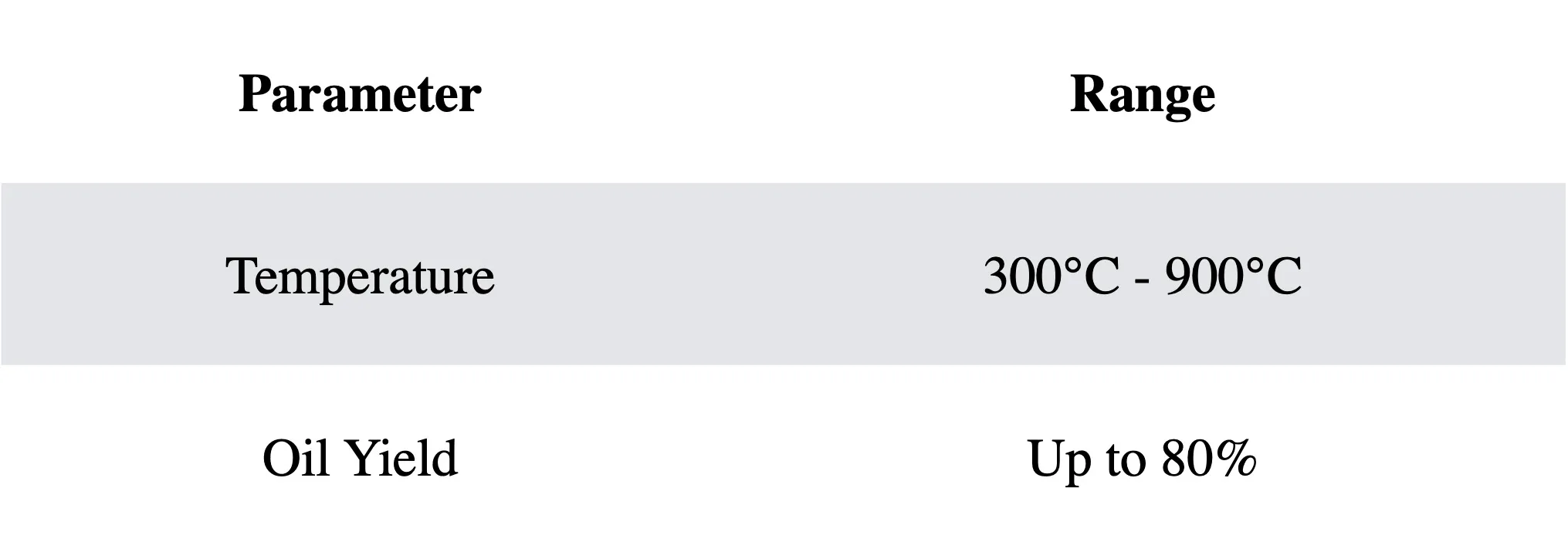
Vendor promised 80% oil yield; actual yield was 55%. Plant economics collapsed. A $5,000 feedstock test would have revealed this.
❌ "We didn't check local regulations"
Built the plant, then discovered the municipality required emission standards the plant couldn't meet. $200K retrofit needed.
❌ "Feedstock supply dried up"
Based the project on one feedstock source that shifted to a competitor. No alternative supply was mapped during planning.
✅ What proper feasibility prevents
Tested feedstock, mapped supply chain, analyzed regulations, modeled multiple scenarios. Plant operates at 95% of projected performance.
What a Feasibility Study Covers
A comprehensive pyrolysis feasibility study has six major components, each addressing a critical risk area:
Feedstock Assessment
2-4 weeks- Feedstock availability and supply chain analysis
- Composition analysis and quality variability
- Pre-processing requirements (shredding, washing, drying)
- Seasonal availability and storage considerations
- Competing uses and price stability
Technology Selection
2-3 weeks- Batch vs continuous plant comparison for your scale
- Reactor type selection based on feedstock properties
- Process configuration (with/without oil purification)
- Automation level and control system requirements
- Emission control and environmental compliance design
Market & Revenue Analysis
2-3 weeks- Local market prices for pyrolysis oil, char, and by-products
- Potential offtake agreements and buyer identification
- ISCC certification potential and premium pricing
- Carbon credit eligibility and revenue projection
- Gate fee income from waste generators
Financial Modeling
2-4 weeks- Detailed CAPEX breakdown (equipment, civil, utilities, commissioning)
- Operating cost model (feedstock, energy, labor, maintenance)
- Revenue projections under multiple scenarios
- Cash flow analysis, IRR, NPV, and payback period
- Sensitivity analysis on key variables
Regulatory & Permitting
2-4 weeks- Environmental permits and emission standards
- Waste processing licenses and zoning requirements
- Health and safety compliance
- Building permits and construction approvals
- ISCC/sustainability certification requirements
Risk Assessment
1-2 weeks- Technical risks (feedstock variability, equipment reliability)
- Market risks (price volatility, demand uncertainty)
- Regulatory risks (policy changes, permit delays)
- Operational risks (supply chain, workforce, maintenance)
- Mitigation strategies for each identified risk
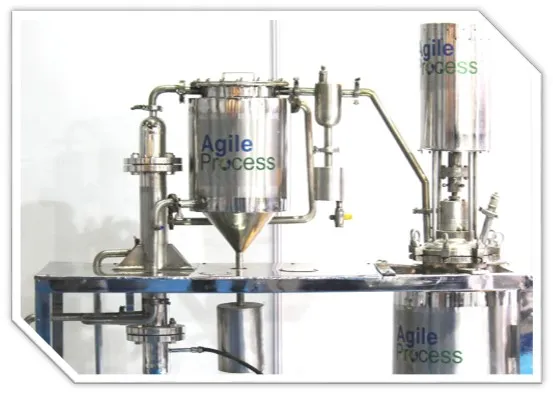
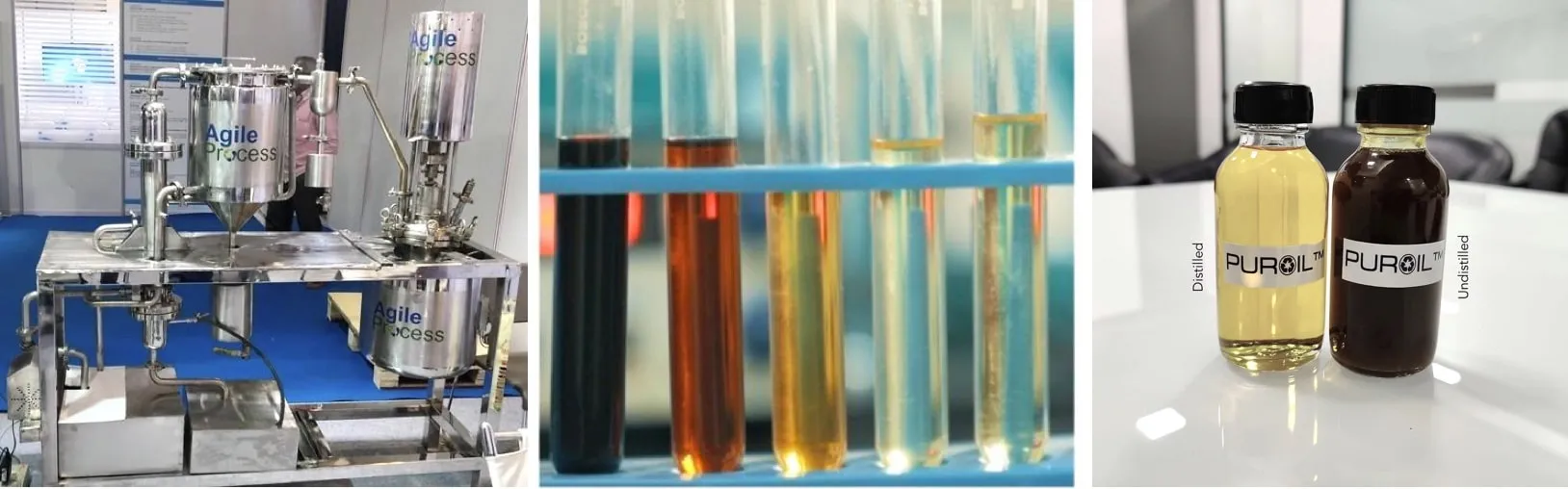
APChemi conducts comprehensive feasibility studies backed by actual feedstock testing in our R&D facility — not just desktop estimates. Our studies are investment-grade.
Pre-Feasibility vs Full Feasibility
| Aspect | Pre-Feasibility (Desktop) | Full Feasibility |
|---|---|---|
| Cost | $5,000 - $15,000 | $15,000 - $50,000 |
| Timeline | 4-6 weeks | 12-20 weeks |
| Feedstock Data | Industry benchmarks | Actual lab/pilot test results |
| Financial Accuracy | ±30-40% | ±10-15% |
| Engineering Detail | Conceptual | Pre-FEED level |
| Purpose | Go/no-go decision | Investment decision & financing |
| Bankable? | No | Yes |
Recommendation: Start with pre-feasibility to filter out non-viable projects quickly and cheaply. If the pre-feasibility shows promise, invest in full feasibility before committing capital.
The APChemi Feasibility Advantage
Most feasibility consultancies are desktop-only — they use generic data and can't test your actual feedstock. APChemi is different:
R&D-Backed Data
Our feasibility studies include actual feedstock testing in our R&D facility. Yields, product quality, and optimal conditions come from your material, not generic databases.
49+ Plant Track Record
Our financial projections are calibrated against 49+ real commercial plants. We know what actually happens, not just what models predict.
Seamless to Execution
If the study is positive, the same APChemi team moves directly to plant design and project management. No re-learning curve, no information loss.
ISCC & Certification Expertise
Our feasibility studies factor in certification potential (ISCC Plus, carbon credits) that can dramatically change project economics. Most consultancies miss this revenue stream.
Getting Started with Your Feasibility Study
Initial Consultation (Free)
Discuss your project concept, feedstock availability, target market, and investment range with APChemi's engineering team. We'll recommend the right study scope.
Quick ROI Screening
Use our ROI calculator for a preliminary check. If the numbers look promising, proceed to formal study.
Feedstock Testing + Study
Best ValueAPChemi's combined R&D testing + feasibility study package provides the most accurate, cost-effective path to an investment decision. Test results feed directly into financial models.
Investment Decision
Go / No-GoWith a comprehensive feasibility study in hand, you have the data to make a confident investment decision — and a document that supports financing applications.
Powered by APChemi — From Feasibility to Commissioning
Frequently Asked Questions
A basic desktop feasibility assessment costs $5,000-$15,000 and takes 4-6 weeks. A comprehensive study including feedstock testing, site assessment, and detailed financial modeling costs $15,000-$50,000 and takes 8-16 weeks. APChemi's studies include R&D testing results, which most standalone consultancies cannot provide.
You can perform a preliminary assessment using publicly available data and tools like our ROI calculator. However, a bankable feasibility study requires feedstock-specific yield data (from actual testing), local regulatory analysis, detailed CAPEX/OPEX modeling, and engineering-level plant specifications. Professional studies are essential for investment decisions above $500K.
Pre-feasibility (desktop study) uses estimated data and industry benchmarks to determine if a project is worth pursuing further. Full feasibility includes actual feedstock testing, detailed engineering, site-specific analysis, environmental permitting requirements, and bankable financial projections. Pre-feasibility is a go/no-go filter; full feasibility is an investment-grade document.
Pre-feasibility (desktop): 4-6 weeks. Full feasibility with R&D testing: 12-20 weeks (including 4-8 weeks for feedstock testing). The timeline depends on feedstock testing scope, regulatory complexity, and the number of scenarios to evaluate.
Ideally, a firm that both designs and operates pyrolysis plants — they understand real-world performance, not just theoretical models. APChemi brings 17+ years of actual project experience across 49+ plants, meaning our feasibility projections are grounded in operational reality. Avoid studies from firms that only consult but never build.
Get a Free Consultation
Tell us about your pyrolysis project and our engineers will get back to you within 24 hours.
Get a Free Project Assessment →Explore More
ROI Calculator
Get a quick ROI estimate for your pyrolysis project.
Business Plan Guide
Structure a bankable business plan based on feasibility results.
Pyrolysis Plant Cost Guide
Understand capital and operating costs in detail.
R&D / Lab Testing
Test your feedstock — the foundation of any good feasibility study.
Project Management (PMC)
APChemi manages the entire project from feasibility to commissioning.
Choosing a Manufacturer
Evaluate manufacturers before your feasibility study is complete.