Why Test Before You Build?
The pyrolysis industry is filled with plants that underperform expectations because the operator relied on generic yield data instead of testing their actual feedstock. Common problems that testing prevents:
Lower Yields Than Expected
Vendor claims of 80% oil yield may drop to 55-65% with your specific waste composition. Testing reveals the truth.
Product Quality Issues
High sulfur, chlorine, or contaminants that make oil unsellable at expected prices. You need data, not guesses.
Pre-Processing Costs
Moisture, contamination, or particle size requirements that weren't budgeted for. These surprises add 15-25% to project costs.
Wrong Temperature Profile
Each feedstock has an optimal pyrolysis temperature. Guessing costs you 10-20% in efficiency and product quality.
Equipment Incompatibility
Feedstock melting behavior, char characteristics, and gas composition can cause operational problems that require costly modifications.
Testing De-Risks Everything
Testing costs 1-3% of total plant investment but prevents 20-40% cost overruns. It's the highest-ROI expenditure in any pyrolysis project.
Testing Capabilities
| Test | Description | Deliverable |
|---|---|---|
| Proximate & Ultimate Analysis | Moisture, volatile matter, fixed carbon, ash content; elemental composition (C, H, N, S, O) | Feedstock characterization report |
| Thermogravimetric Analysis (TGA) | Temperature-dependent weight loss profile showing decomposition stages and optimal pyrolysis temperature range | TGA curves and decomposition analysis |
| Bench-Scale Pyrolysis | Small-scale pyrolysis at 2-5 kg/batch, testing multiple temperatures (400-600 C) to determine optimal conditions | Product yields at each temperature |
| Oil Characterization | GC-MS composition, viscosity, density, sulfur content, water content, calorific value, pour point | Oil specification sheet |
| Biochar / Char Analysis | Fixed carbon content, surface area (BET), PAH content, heavy metals, H/C ratio for CDR eligibility | Biochar quality report |
| Gas Analysis | Composition (CO, H2, CH4, CO2, etc.), calorific value, total gas yield | Gas composition and energy balance |
| Pre-Processing Trials | Shredding, washing, drying tests to determine optimal feedstock preparation | Pre-processing specification |
| Scale-Up Recommendations | Engineering assessment translating bench results to commercial plant design parameters | Techno-commercial report |
Engineering Simulation & Modeling
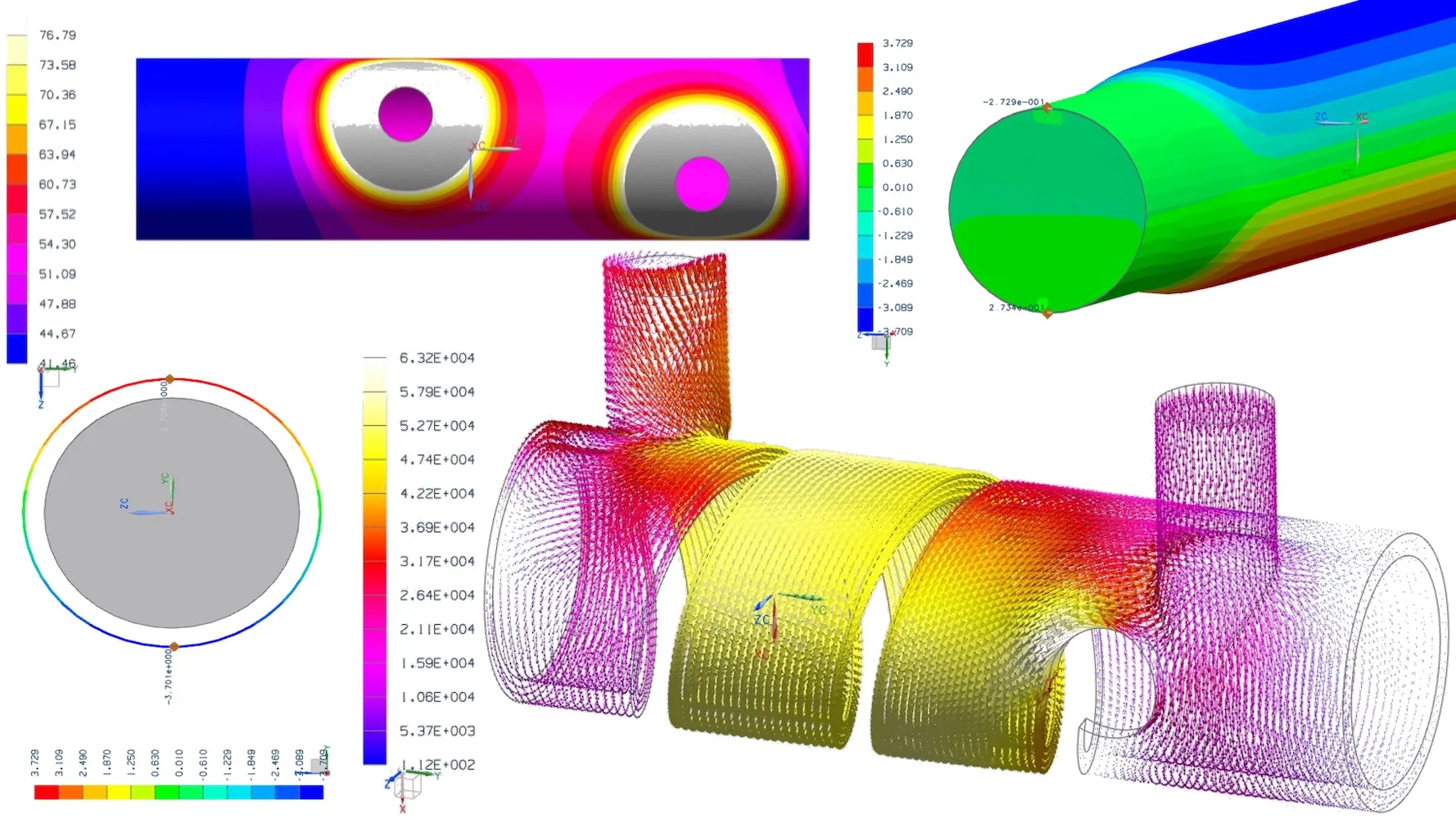
Beyond physical testing, APChemi uses computational tools to model pyrolysis behavior and optimize plant parameters before commercial-scale construction begins.
- Thermal modeling and heat transfer analysis
- Mass and energy balance calculations
- Reactor design optimization from bench data
- Scale-up predictions from laboratory results
Send us 20-50 kg of your feedstock and we'll determine exactly what your pyrolysis plant will produce. Testing starts from $2,000.
Feedstocks We Test
APChemi's R&D facility has tested hundreds of feedstock samples across all major categories:
Plastics
HDPE, LDPE, PP, PS, mixed plastics, multi-layer packaging, film waste, rigid containers
Tires
Passenger car, truck, OTR tires, tire crumb, tire chips at various sizes
Biomass
Rice husk, coconut shell, palm kernel shell, wood chips, sawdust, agricultural residues, energy crops
Industrial Waste
Paint sludge, oil sludge, rubber waste, textile waste, carpet, electronic waste
Mixed Waste
RDF, SRF, MSW-derived fractions, marine debris, legacy waste
Your Feedstock?
Don't see your waste stream? APChemi has tested exotic and challenging feedstocks across all categories.
Contact us to discuss →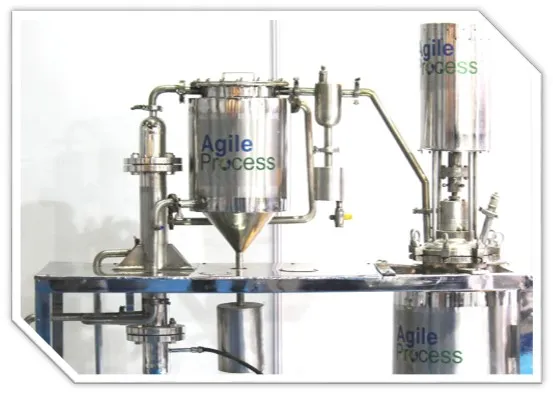
Bench-Scale to Commercial Scale
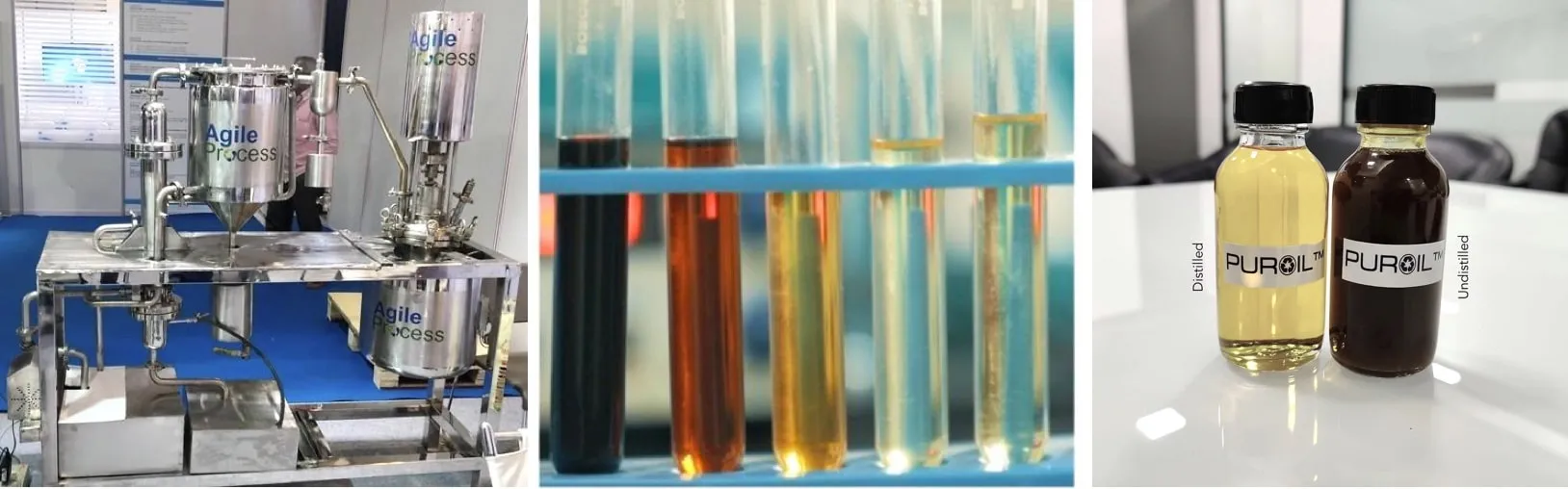
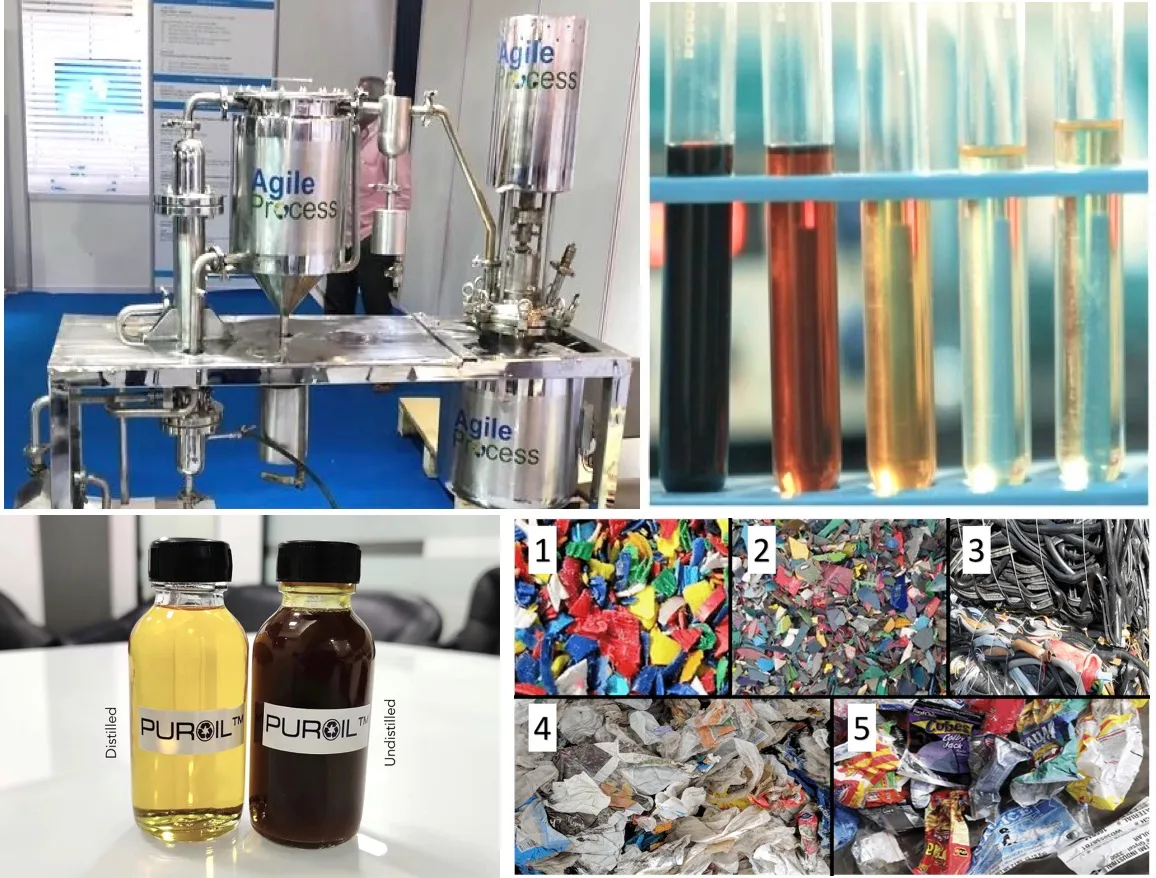
APChemi's pilot plant capabilities bridge the gap between laboratory analysis and full-scale commercial operations. Our bench-scale reactors replicate commercial pyrolysis conditions at 2-5 kg/batch scale.
Key Advantage: Because APChemi also designs and builds commercial plants, our R&D results translate directly into engineering specifications. There is no disconnection between laboratory findings and plant design.
How It Works
Initial Consultation
Discuss your feedstock, project goals, and testing requirements. We'll define the right testing scope for your project. Free of charge.
Sample Shipping
Send 20-50 kg of representative feedstock samples to APChemi's R&D facility. We provide guidance on proper sample collection to ensure results are representative.
Testing Program
Core PhaseOur engineers execute the agreed testing scope — feedstock characterization, bench-scale pyrolysis at multiple temperatures, and full product analysis.
Comprehensive Reporting
Detailed report with all analytical results, yield data at each temperature, product specifications, quality parameters, and engineering recommendations.
Design Input
APChemi AdvantageTest results feed directly into commercial plant design parameters — temperature profiles, reactor sizing, condensation design, pre-processing specs. No translation gaps between lab and plant.
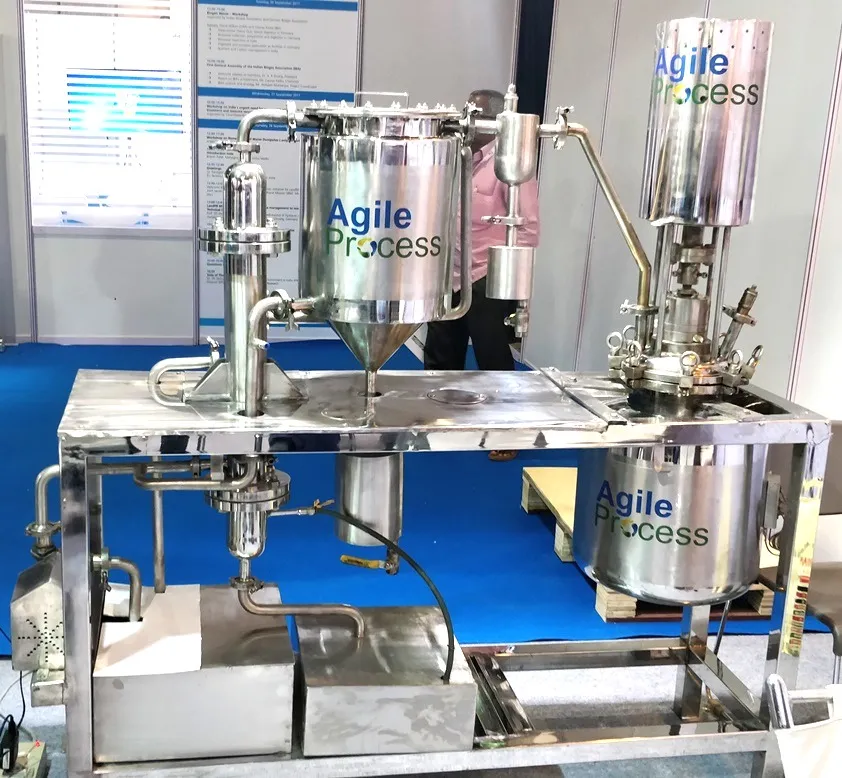
Our R&D Facility
Fully Equipped Facility
Dedicated laboratory and pilot facility with bench-scale pyrolysis reactors (batch and continuous)
Analytical Equipment
TGA analyzers, GC-MS, proximate/ultimate analyzers, BET surface area analyzer
Full Process Capability
Pre-processing (shredding, washing, drying), pyrolysis at multiple temperatures, complete product characterization
Expert Team
Experienced chemical engineers and analytical chemists with 17+ years of pyrolysis expertise
Testing Investment
- Proximate & ultimate analysis
- Calorific value
- TGA decomposition analysis
- Feedstock suitability assessment
- Everything in Basic
- Multi-temperature pyrolysis trials
- Oil, char & gas characterization
- Product yield data at each temperature
- Optimal conditions recommendation
- Everything in Standard
- Pre-processing trials
- Catalyst screening & optimization
- Scale-up engineering recommendations
- Techno-economic analysis
ROI Perspective: Testing costs 1-3% of total plant investment ($500K-$5M+). Clients who skip testing often face 20-30% lower yields and $100K-$500K+ in plant modifications. Testing is the highest-ROI expenditure in any pyrolysis project.
From Lab to Commercial Plant
APChemi's integrated approach ensures test data feeds directly into commercial plant engineering. Unlike standalone testing labs, our R&D is conducted by the same engineers who will design your commercial plant.
Powered by APChemi — Proven Pyrolysis Expertise
R&D Testing
Feedstock analysis & bench-scale trials
Plant Design
Data-driven engineering design
Quality Assurance
Product specs & certification
Scale-Up
Lab to commercial translation

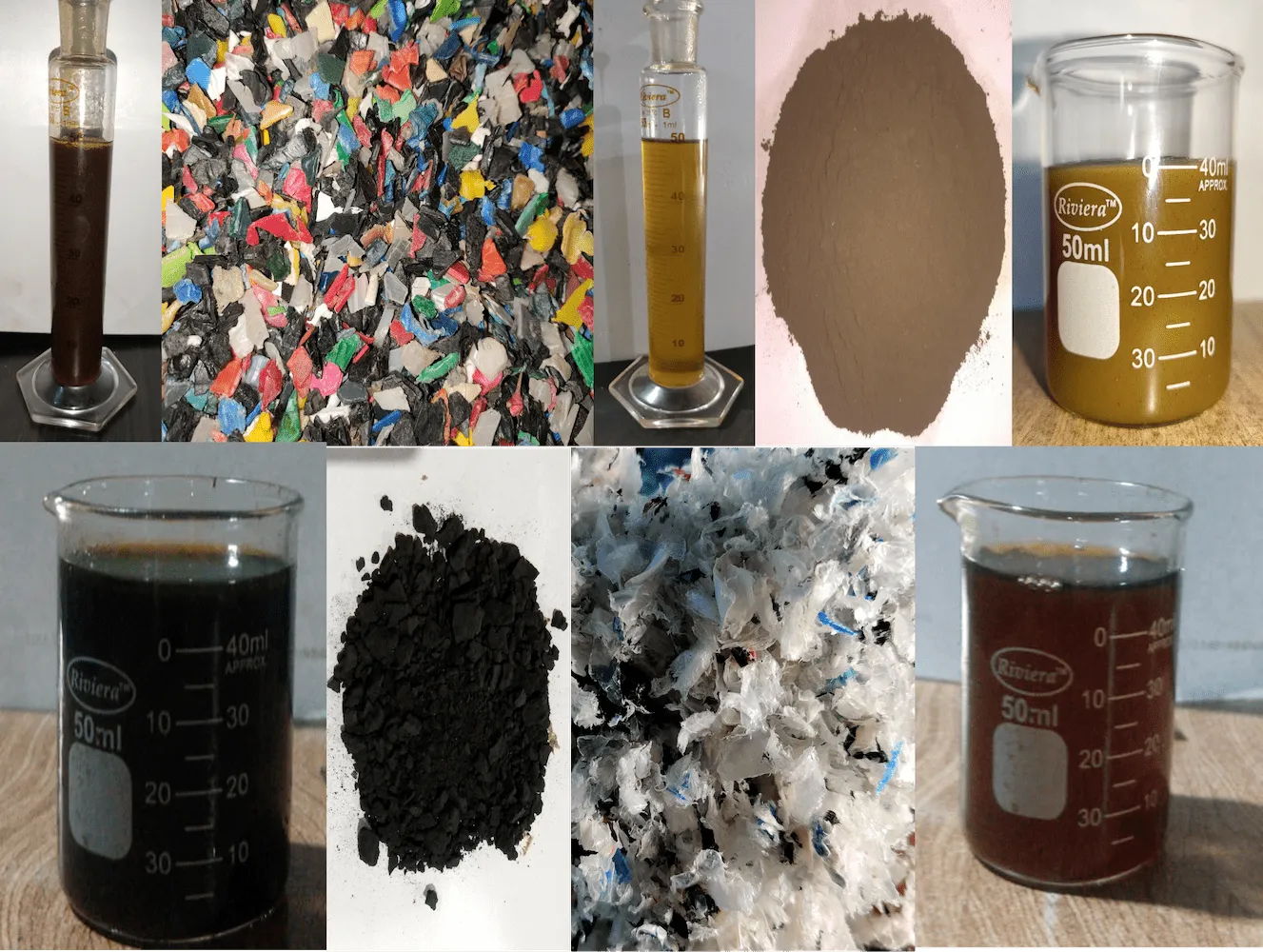
Overview of APChemi's R&D, pyrolysis, and pyrolysis oil purification capabilities across plastic, tire, and biomass feedstocks.
Frequently Asked Questions
APChemi's R&D facility performs comprehensive feedstock analysis: proximate analysis (moisture, volatile matter, fixed carbon, ash), ultimate analysis (C, H, N, S, O), calorific value, thermogravimetric analysis (TGA), bench-scale pyrolysis trials with product yield measurement, oil characterization (GC-MS, viscosity, sulfur, density), and biochar analysis (fixed carbon, surface area, PAH content).
Typically 20-50 kg of representative feedstock for bench-scale pyrolysis testing, plus 2-5 kg for analytical characterization. For pre-processing trials (shredding, washing, drying), 100-500 kg may be needed. APChemi will specify exact requirements based on your testing scope.
Basic feedstock characterization takes 2-3 weeks. Full bench-scale pyrolysis testing with product analysis takes 4-8 weeks. Comprehensive programs including multiple temperature trials, catalyst screening, and optimization can take 8-16 weeks. Expedited timelines are available for priority projects.
Basic feedstock characterization starts from $2,000-$5,000. Bench-scale pyrolysis testing with product analysis typically runs $5,000-$15,000. Comprehensive R&D programs including optimization, scale-up recommendations, and techno-economic analysis range from $15,000-$50,000+. Investment is typically recovered many times over through avoided plant design mistakes.
Every feedstock behaves differently during pyrolysis. Testing reveals actual yields, product quality, optimal temperatures, pre-processing requirements, and potential problems BEFORE you invest $500K-$5M+ in a plant. Clients who skip testing often face 20-30% lower yields than expected, product quality issues, and costly plant modifications. APChemi's testing de-risks your investment.
Get a Free Consultation
Tell us about your pyrolysis project and our engineers will get back to you within 24 hours.
Get a Free Project Assessment →Explore More
Biomass Pyrolysis Plant
Test your biomass feedstock for biochar and bio-oil production potential.
Tire Pyrolysis Plant
Evaluate tire chip quality and pyrolysis product yields.
Plastic Pyrolysis Plant
Determine oil yields and quality for your plastic waste streams.
Biochar & CDR
Characterize biochar for carbon credit certification eligibility.
Plant Troubleshooting
Diagnostic testing for underperforming existing plants.
Contact APChemi
Request a testing proposal for your feedstock.